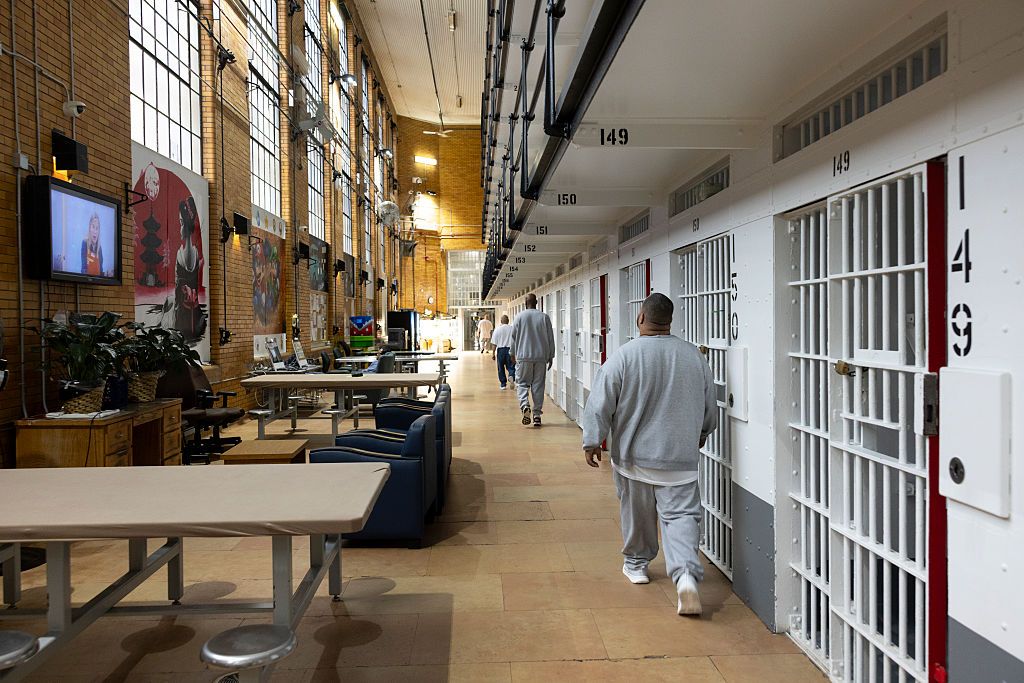

The issue of contraband cellphones in prisons has become a focal point in recent years, with significant developments aimed at combating this problem. Highlighting this concern, the Federal Communications Commission (FCC) recently approved a measure allowing state prisons to jam cellphone signals within their facilities.
On Thursday, the FCC’s unanimous decision marked a significant step toward restricting the use of unauthorized phones in prisons, which law enforcement officials argue pose a substantial security threat. According to NBC News, this move follows years of advocacy from state prison officials.
These officials have long contended that smuggled cellphones are instrumental in coordinating illegal activities, including drug operations and violent acts. Despite the new rule, prisons are not mandated to implement jamming technology, but those opting to use it must ensure it does not affect cell service outside the prison grounds.
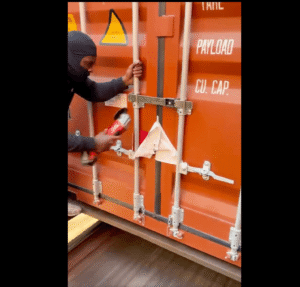
Inmates have found various ways to smuggle phones into prisons, utilizing methods such as drones and hollowed-out footballs. FCC Chairman Brendan Carr emphasized the necessity of this technology, noting that around 25,000 contraband phones are seized yearly in U.S. prisons.
Highlighting the risks, Carr referenced the 2010 attempted murder of South Carolina corrections officer Robert Johnson, an incident orchestrated via a contraband cellphone. Johnson, who has undergone numerous surgeries, advocates for jamming technology, describing these devices as “weapons of mass destruction” due to their potential to incite violence.
Reflecting on his harrowing experience, Johnson expressed, “No one should have to go through what I went through,” adding that he believes his ordeal was part of a larger purpose for advocacy.
The controversy surrounding high-profile figures, such as Sean “Diddy” Combs, using cellphones in prison has further fueled debates on this issue, though such instances are only a fraction of the broader problem.
SEE ALSO:
Wisconsin Cop Who Shot And Killed Corey Ruiz Will Not Face Charges
Black Women’s Job Security Can’t Depend on Political Winds