House Approves Bill to Combat Financial Aid Fraud
The U.S. House of Representatives has taken a significant step to address financial aid fraud, passing a bill aimed at enhancing the detection of identity fraud in federal student aid applications. This legislative move comes amidst broader efforts by the Trump administration to curb fraudulent activities across federal programs.
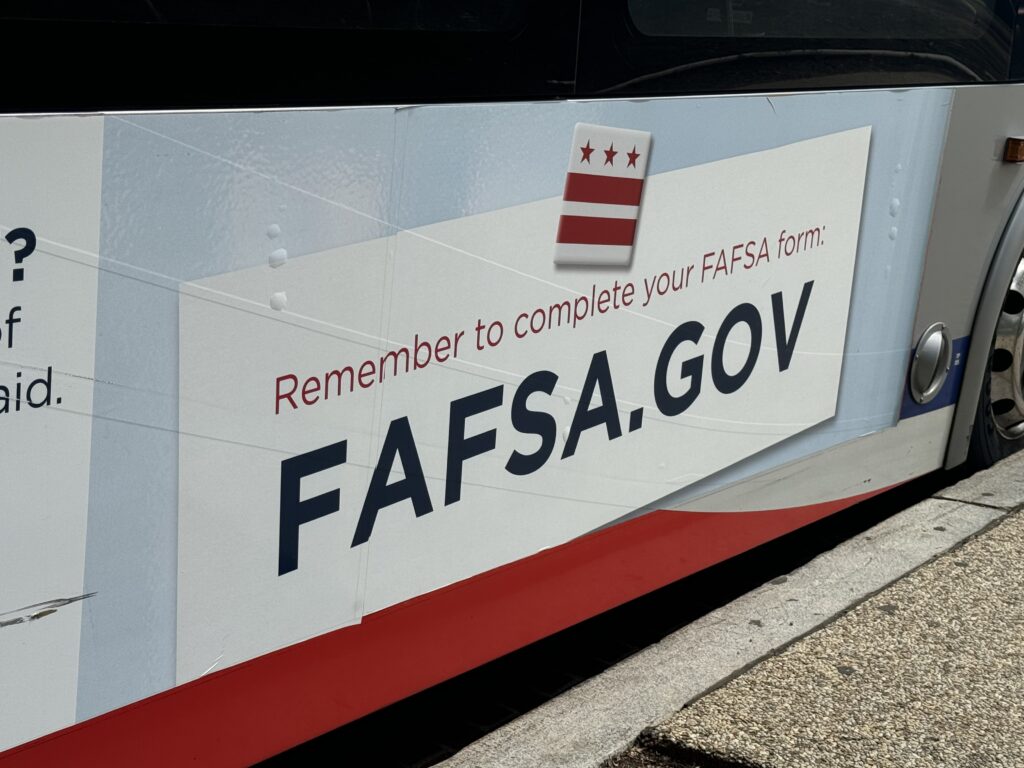
On Wednesday, the House passed the bill with a vote of 249-172, which garnered support from nearly 40 Democrats. The legislation mandates the U.S. Department of Education to implement a system to detect identity fraud in the Free Application for Federal Student Aid (FAFSA), addressing concerns about fraudulent “ghost students” exploiting the system.
This measure aims to institutionalize a fraud detection tool that the Education Department has been developing. According to Rep. Burgess Owens, who introduced the bill, it builds on previous efforts to safeguard taxpayer money and ensure that federal aid reaches genuine students.
Fraud Detection Measures
The proposed legislation requires the Education Secretary to scrutinize each FAFSA submission for potential identity fraud starting October 1. If a reasonable suspicion arises, both the applicant and the designated schools will be notified for further identity verification before federal aid is disbursed. Additionally, the bill stipulates annual audits and reports to Congress to assess the system’s effectiveness.
Provisions from another bill by Pennsylvania GOP Rep. Glenn “GT” Thompson are also incorporated, prioritizing reviews of institutions with patterns of providing aid under suspicious circumstances.
Concerns Over Enforcement
Despite its passage, the bill has faced criticism. Rep. Bobby Scott, the ranking member of the House Committee on Education and Workforce, expressed concerns that the measure could complicate access to aid for legitimate students due to its vague enforcement standards.
Scott highlighted that the Education Department had already initiated a fraud detection system in April and suggested that Congress should await its evaluation before enacting new legislation. “Codifying this new system without assessing its effectiveness just doesn’t make any sense,” he stated.
Education Secretary Linda McMahon endorsed the bill, remarking on its alignment with the administration’s commitment to eliminating fraud and abuse in federal student aid applications. She emphasized the importance of screening for suspicious applications as part of comprehensive fraud prevention efforts.