Trump Administration’s New Strategy: Outsourcing Key Education Functions
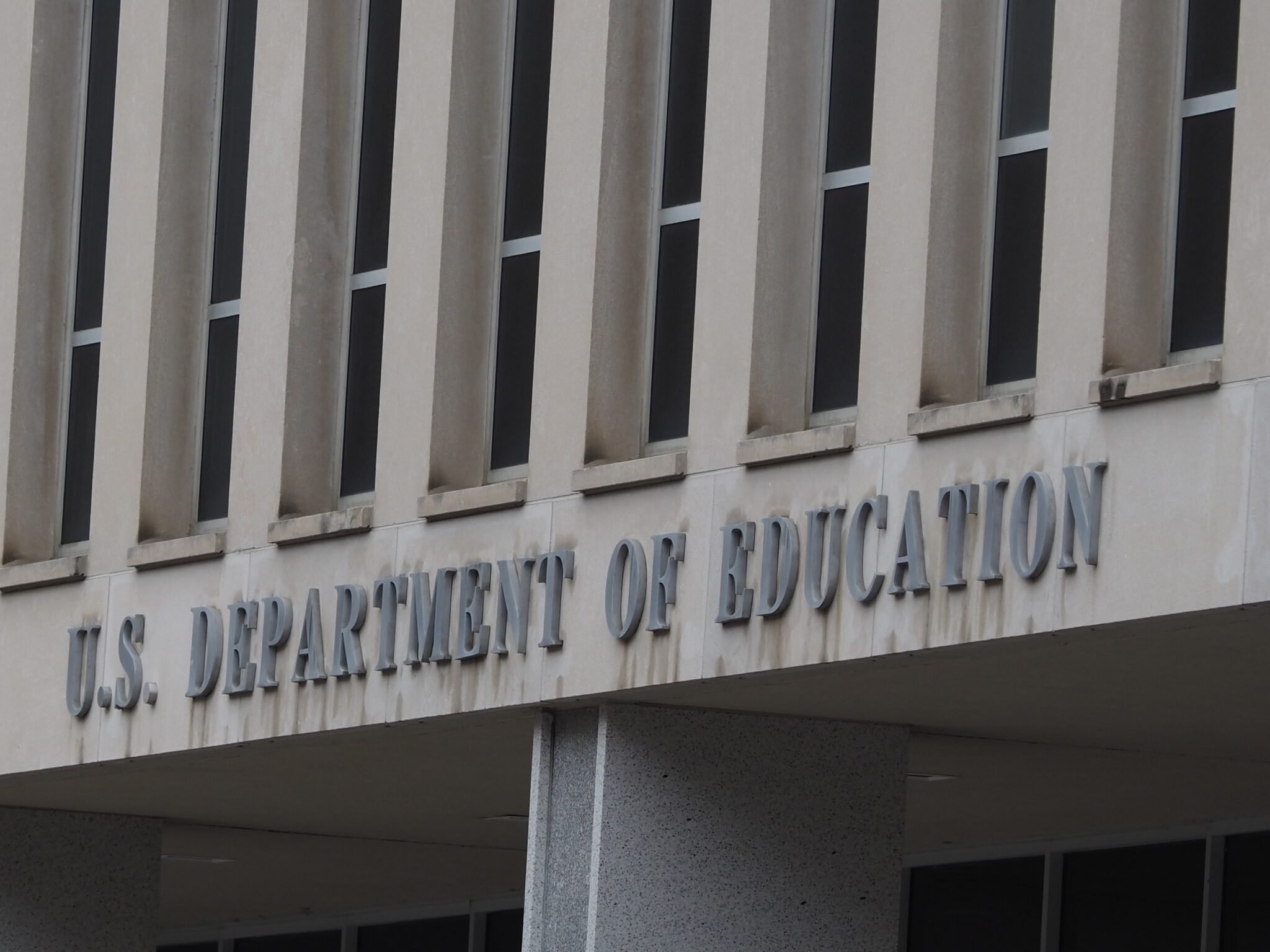
In a significant realignment of federal education responsibilities, the U.S. Department of Education has revealed plans to delegate certain special education and civil rights duties to other federal agencies. This move is part of a broader strategy by President Donald Trump’s administration to reduce the department’s influence.
The Department of Health and Human Services (HHS) is set to take over the management of programs under the Office of Special Education and Rehabilitative Services (OSERS). Concurrently, civil rights enforcement will transition to the Department of Justice (DOJ), previously handled by the Office for Civil Rights (OCR).
This decision follows several interagency agreements (IAAs) that have already shifted various departmental responsibilities to agencies like the Department of Labor, Health and Human Services, Interior, State, and Treasury.
Despite the outsourcing, the Education Department has assured that it will maintain its legally required functions. “The Trump Administration has been clear: as we scale back federal micromanagement when it hinders success, we are equally committed to bolstering the efficacy of federal oversight where it is essential,” stated U.S. Education Secretary Linda McMahon.
Special Education Changes
On a call with reporters, a senior official emphasized that OSERS will remain dedicated to enforcing all programs under its jurisdiction, particularly the Individuals with Disabilities Education Act (IDEA). This act guarantees free public education for students with disabilities.
The official assured that no student rights would be compromised. “Students will not lose any rights, including their right to a free appropriate public education,” the official stated. A fact sheet outlines that HHS will engage in activities including stakeholder outreach, grant administration, and compliance monitoring.
Civil Rights Oversight Shift
The agreement with the DOJ is designed to enhance federal enforcement of civil rights laws. The OCR will continue to handle complaints, utilizing the DOJ’s Civil Rights Division for evaluation and investigation purposes.
The partnership also includes initiatives to protect student privacy, with the DOJ tasked with reviewing complaints and suggesting resolutions, as highlighted in another fact sheet. Furthermore, the DOJ will offer technical assistance on public school desegregation, as noted in a related fact sheet.
Resistance and Criticism
The announcement has been met with strong opposition from Democratic lawmakers, unions, and advocacy groups. Rachel Gittleman, president of American Federation of Government Employees Local 252, criticized the agreements, stating they “will leave our most vulnerable students and families without the services they need and without protection when they face discrimination.”
Senator Patty Murray of Washington expressed outrage, accusing the administration of prioritizing bureaucratic restructuring over educational improvement for children. “More kids with disabilities will be denied the education they are entitled to by law, and more college students who were harassed or assaulted will go without the justice they are owed,” Murray noted.
Randi Weingarten, president of the American Federation of Teachers, warned of “dire, real-world consequences” and emphasized ongoing resistance against the administration’s actions, stating, “parents, educators, students, and the disability and civil rights communities are rising up — and will fight in every way possible to reverse this.”