In a rare military setback, the U.S. has faced the loss of two aircraft to Iranian forces, an incident marking a significant escalation in tensions between the two nations. Despite assertions by President Donald Trump that Iran’s military capabilities have been diminished, the Islamic Republic’s recent actions demonstrate its persistent ability to retaliate.
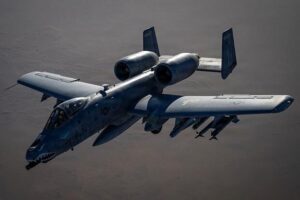
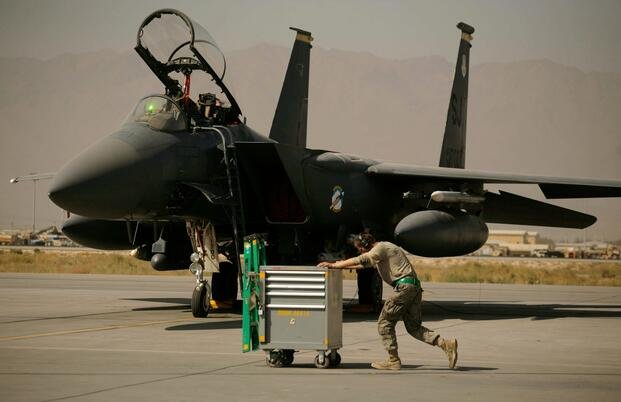
The incidents occurred five weeks after U.S. and Israeli forces initiated strikes against Iran. During this period, President Trump claimed that Tehran’s capacity to deploy missiles and drones had been significantly reduced. However, Iran’s downing of a U.S. F-15E Strike Eagle fighter jet, with one crew member rescued and another still missing, contradicts these claims. Additionally, Iranian state media reported the crash of a U.S. A-10 attack aircraft, attributing it to Iranian defensive actions.
The downing of these aircraft represents the first such event in over two decades, a fact noted by retired Air Force Brig. Gen. Houston Cantwell, who highlighted that previous conflicts were primarily against insurgents with limited anti-aircraft capabilities. Cantwell remarked, “The fact that this hasn’t happened until now is an absolute miracle.”
Experts Point to Missile Use
According to U.S. Central Command, American forces have conducted over 13,000 missions in the ongoing conflict with Iran, targeting more than 12,300 locations. Despite the extensive airstrikes by the U.S. and Israel, Iran continues to pose challenges, impacting regional stability and the global economy.
Behnam Ben Taleblu of the Foundation for Defense of Democracies stated, “A disabled air defense system is not a destroyed air defense system,” emphasizing the resilience of Iranian defenses. Taleblu and other experts suggest that Iran likely utilized portable, shoulder-fired missiles, which are difficult to detect, to target the F-15, indicating a “weak but still lethal” adversary.
Mark Cancian, a retired Marine colonel, echoed the likelihood of shoulder-fired missiles being used and acknowledged the overall success of the U.S. air campaign against Iran. He noted the historical context of aircraft losses, comparing current figures with those from World War II, where loss rates were significantly higher.
Pilot Training and Risks
The last U.S. jet downed in combat was in 2003, during the Iraq invasion. Pilots in high-threat zones such as Iran are trained to respond to missile threats, including ejecting safely and communicating their location for rescue. This training is critical as adversaries may attempt to intercept or spoof rescue communications.
Helicopters Face Greater Danger
While the recent incidents involved jets, helicopters have historically been more vulnerable, with previous losses in Iran dating back to a failed 1980 rescue mission. The slow and low-flying nature of helicopters increases their risk, as highlighted by past incidents in Afghanistan.
The recent rescue missions, likely involving helicopters, underscore the bravery involved, according to Cantwell.
___
Bedayn reported from Denver.
© Copyright 2026 Associated Press. All rights reserved. This material may not be published, broadcast, rewritten or redistributed.