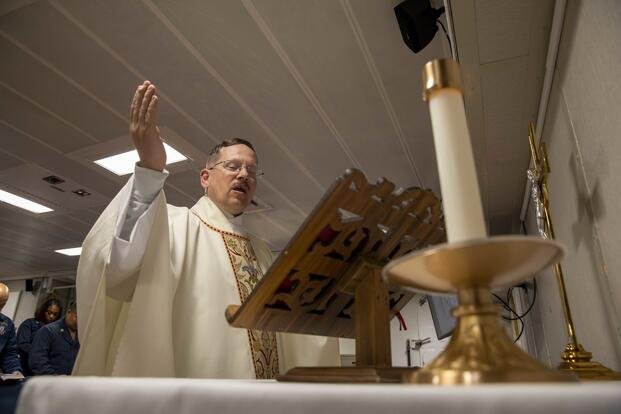
In an email sent to numerous defense contractors and active-duty service members, the Pentagon extended invitations to a Christian prayer service, continuing a pattern of such gatherings that sources say has been ongoing for over a year. The email, shared with Military.com, outlined a 12 p.m. service scheduled for February 17 in the Pentagon Auditorium.
Concerns have been raised by recipients regarding the nature of the invitation, which includes an image of a cross above the phrase “SECWAR’S PRAYER SERVICE.” Similar invitations have circulated since June 2025, including a message on a stained glass window from “The Office of the Secretary War,” according to sources.
The invitation specifies that the service is optional and limited to Department staff with Pentagon access, with seating on a first come, first served basis. Senior leaders can reserve seats by RSVP, and the invitation encourages forwarding it within organizations. Those unable to attend can watch via livestream on Pentagon TV or DVIDS.
In response to inquiries about potential repercussions for non-attendance, Pentagon spokesperson Kingsley Wilson stated, “These services are 100% voluntary and are not mandated whatsoever. No one at the Pentagon tracks who does and does not attend these voluntary services. No special treatment or punishment is given as a result of one’s choice to attend these prayer services.”
“The Secretary’s prayer services undoubtedly improve morale for those who choose to attend and are constitutionally protected. We are proud to host these services and will continue to do so,” Wilson added.
‘Rock and a Hard Place’
A defense contractor expressed concerns about the implications of these invitations, fearing negative consequences for opting out, despite official assurances to the contrary. “I did find today’s email stark, depressing, almost threatening. Horror movie vibes,” the contractor, who preferred to remain anonymous, remarked.
According to the contractor, the events offer Christians networking opportunities with leaders, a privilege not extended to those of other faiths. This sentiment was echoed by a U.S. Air Force veteran who questioned the lack of similar services for other faiths.
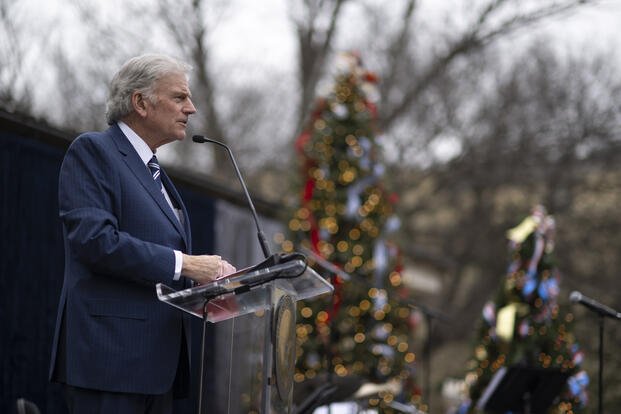
Mikey Weinstein of the Military Religious Freedom Foundation (MRFF) reported a surge in complaints from contractors and service members concerned about these invitations. A significant portion of MRFF’s clientele comprises Christians, yet they share the unease about the implications of these services.
Weinstein described the situation as detrimental to “good order, morale, discipline, unit cohesion, mission accomplishment, and health and safety of the troops.”
Concerns extend to potential career impacts, with some alleging missed opportunities for non-attendance. A government contractor expressed frustration over perceived coercion into participating in activities aligned with specific religious beliefs.