The battle against drug trafficking in the Caribbean has taken a significant step forward as the Dominican Republic enters into a groundbreaking agreement with the United States. President Luis Abinader has granted permission for the U.S. to operate within restricted zones to bolster efforts against narcotics smuggling.
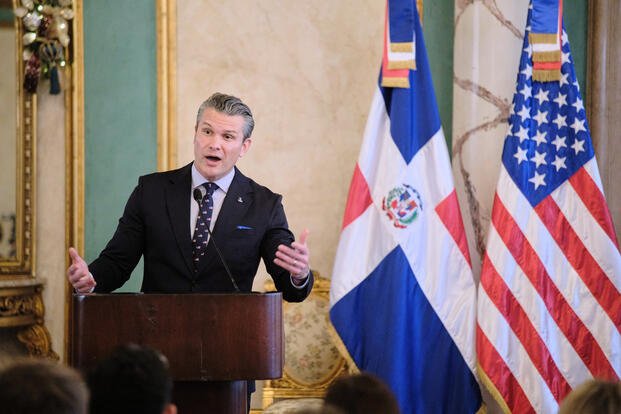
As part of this temporary arrangement, the U.S. is allowed to refuel aircraft and deploy technical personnel at strategically chosen sites, including the San Isidro Air Base and Las Américas International Airport. This initiative was announced by President Abinader alongside U.S. Defense Secretary Pete Hegseth, who was visiting Santo Domingo to engage with the nation’s leadership.
This move marks the first major collaboration of its kind between the U.S. and a Caribbean nation focused on intercepting suspected drug-trafficking vessels. Since operations commenced in early September, the efforts have resulted in the deaths of at least 83 individuals suspected of involvement in drug smuggling activities. Further details of the U.S. operations remain under wraps, although Secretary Hegseth emphasized respect for the Dominican Republic’s sovereignty throughout the process.
President Abinader described the nature of the agreement as “technical, limited, and temporary,” with the explicit aim of enhancing both air and maritime defenses against illegal drug entry. This cooperation seeks to deliver a decisive blow to organized crime syndicates operating across national boundaries.
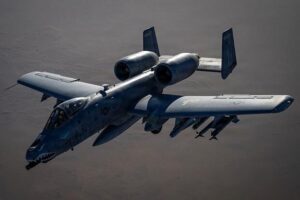
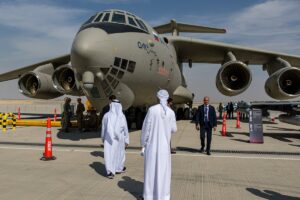
A presidential statement highlighted the deployment of several KC-135 tanker aircraft to augment air patrol missions, which will significantly expand the capabilities to monitor and intercept illicit maritime and aerial activities. These aircraft are also expected to support partner nations’ operations by providing necessary refueling services.
In addition, C-130 Hercules cargo planes will be instrumental in executing aeromedical evacuations, firefighting tasks, weather reconnaissance, and disaster response efforts.
President Abinader cited the success of past collaborations with the U.S., noting that drug seizures have increased nearly tenfold annually over the past five years. “Our country faces a real threat,” he stated, highlighting the borderless and destructive nature of drug trafficking.
Secretary Hegseth commended the Dominican Republic for its proactive role in combatting drug-related violence. “The Dominican Republic has stepped up,” he remarked, affirming the importance of confronting those responsible for narcotics proliferation.
In related developments, Trinidad and Tobago has expressed support for the U.S.-led operations, with Prime Minister Kamla Persad-Bissessar vocalizing strong approval. The prime minister’s endorsement has, however, sparked controversy due to her severe stance against drug traffickers.
Additionally, U.S. military efforts in the region have included visits to Puerto Rico and discussions with other Caribbean leaders, such as Grenadian Prime Minister Dickon Mitchell, regarding potential strategic collaborations.
For a comprehensive overview of developments in Latin America and the Caribbean, visit AP Latin America and the Caribbean coverage.