Revisiting Federal Student Loan Rules: Potential Impact on Michigan Programs
In a recent development, a new federal student loan rule could have significant implications for various college programs in Michigan. This rule aims to ensure that students receive valuable education that leads to better earning prospects post-graduation.
Understanding the Rule
The rule stipulates that undergraduate programs risk losing access to Federal Direct Loans if their graduates earn less than high school graduates in the same state four years after completion. Similarly, graduate-level programs must ensure their graduates earn more than those with just an undergraduate degree in the state to pass the test.
Michigan Programs in the Spotlight
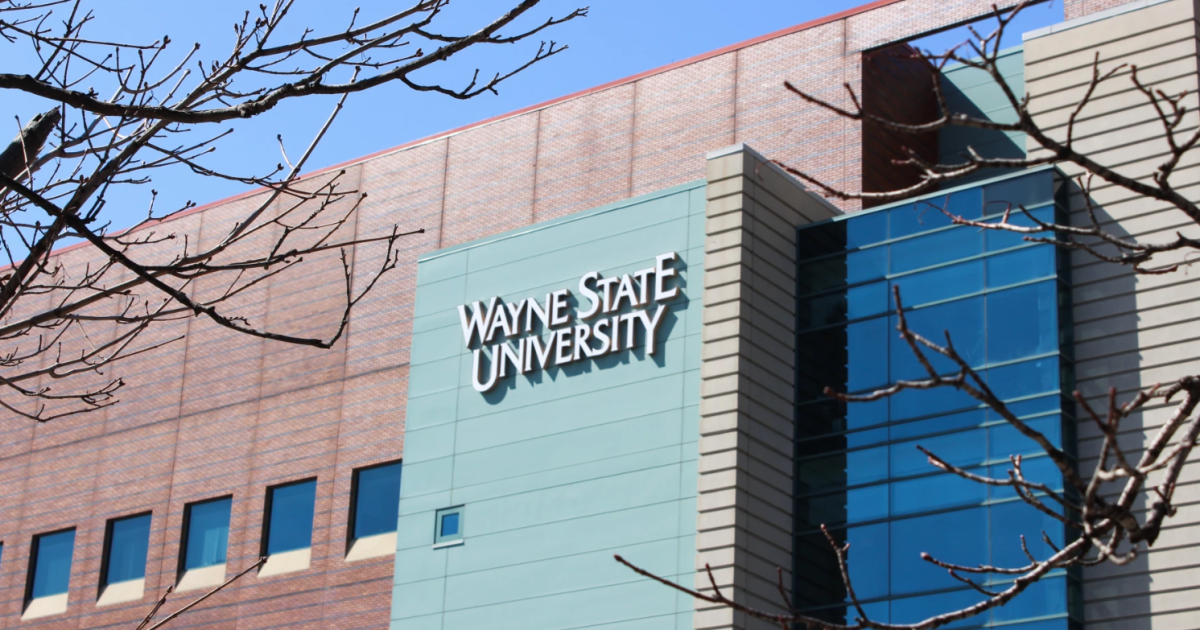
Preliminary data identified 16 Michigan programs failing the earnings test, including bachelor’s programs in drama/theatre arts at Wayne State University, general social sciences at the University of Michigan-Dearborn, and rhetoric and composition/writing studies at Calvin University. Community college programs like graphic communications at Kalamazoo Valley Community College and fine arts at Delta College are also at risk.
Potential Impact on Arts and Humanities Programs
Michael Barnes, Wayne State University’s Department of Theatre and Dance Chair, raised concerns about the rule’s possible impact on arts and humanities students. He highlighted that limiting access to loans could widen the class divide and deter students from pursuing these fields.
Graduate-Level Programs at Risk
Master’s and graduate certificate programs across Michigan, particularly in the arts, face challenges under this rule. Programs like fine arts at Cranbrook Academy of Art and music at various universities are flagged for potential non-compliance.
Concerns and Future Outlook
Ryan Fewins-Bliss, the executive director of Michigan College Access Network, expressed apprehension over the rule’s message about the value of college education. He emphasized the long-term benefits of higher education in building wealth and community.
As federal officials review feedback on the rule, the future of these programs remains uncertain. The potential loss of federal loan access could have far-reaching consequences on the viability of several educational offerings in Michigan.
Michigan Education Leaders Discuss Impact of Federal Loan Changes
Education leaders in Michigan are engaging in discussions about the potential consequences of proposed changes to federal loan access for arts programs and other fields. The concern stems from the impact these changes could have on students pursuing degrees in lower-paying sectors such as teaching and social work. The worry is that restricting federal loan access may create a financial barrier for individuals interested in these fields, leading to a possible “class divide” in higher education.
Colby Cesaro, the vice-president of Michigan Independent Colleges and Universities, highlighted the potential challenges faced by teachers who may need advanced degrees but work in areas with lower salaries, such as kindergarten teachers in low-income school districts. Cesaro emphasized that the correlation between higher education and increased earnings does not always hold true, especially in essential but underpaid professions.
Mia Murphy, the chief policy officer at the Michigan Association of State Universities, raised broader questions about tying student loans to market demands, particularly in fields like teaching and social work where salaries may not reflect the value of the work. Murphy’s concerns revolve around how to address market failures in essential sectors that contribute significantly to society despite offering lower financial rewards.
These discussions reflect a larger dialogue about the intersection of education, income, and societal needs. As Michigan education leaders navigate the potential implications of federal loan changes, they are considering how to ensure equitable access to education while supporting fields crucial for the well-being of communities. The balancing act between financial viability and social impact remains a key focus for education stakeholders in the state.