Former Detroit Mayor Mike Duggan Withdraws from Gubernatorial Race Due to Toxic Political Climate
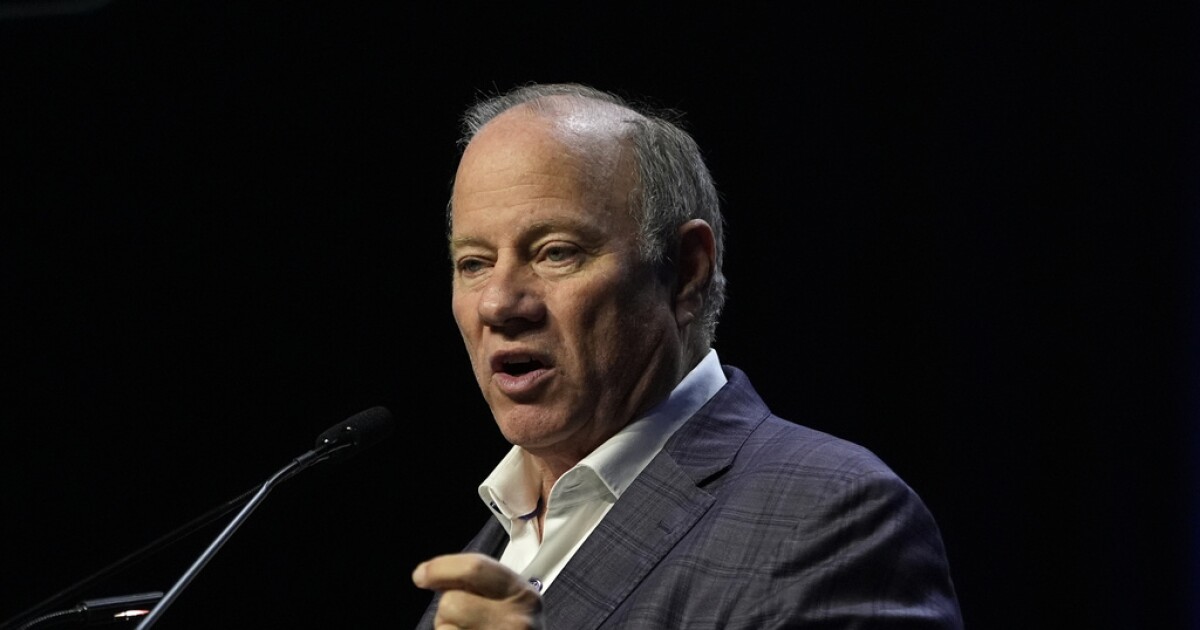
Former Detroit Mayor Mike Duggan has announced his decision to suspend his campaign for Michigan governor, citing the increasingly “toxic” political atmosphere influenced by President Donald Trump’s actions regarding Iran and the surge in gas prices. Duggan, a long-time Democrat, was running as an independent to succeed Democratic Governor Gretchen Whitmer, who is unable to run for reelection due to term limits.
Duggan expressed his concerns, stating, “Democrat anger against Trump and Republicans is extremely high. In 60 days, there’s been a huge change in the attitudes of this country. People are feeling the pain at the pump and are angry about it.” This sentiment reflects his acknowledgment of the challenging landscape for his independent campaign, as historically, third-party candidates have faced significant hurdles in Michigan’s gubernatorial elections.
Impact of Political Climate on Duggan’s Decision
The recent conflict with Iran has resulted in a more than 50% increase in oil prices, leading to soaring gas prices across the nation. In Michigan, the average price for regular unleaded gas now stands at $4.74 per gallon, above the national average of $4.56. This surge in prices has contributed to a shift in public opinion, with Trump’s approval rating on the economy experiencing a slight decline since the onset of the Iran war.
With the primary election scheduled for August 4 and the general election on November 3, Duggan recognized that the odds were stacked against his campaign, with Democratic Secretary of State Jocelyn Benson and Republican U.S. Rep. John James leading the race. Duggan’s decision to run as an independent was motivated by his desire to offer Michigan voters an alternative choice amid growing dissatisfaction with partisan politics.
Legacy of Mayor Mike Duggan
During his tenure as Detroit mayor, Duggan played a pivotal role in leading the city’s recovery following its historic bankruptcy in 2014. Recognized for his efforts in revitalizing Detroit into a vibrant and thriving city, Duggan gained re-election twice before announcing his decision not to seek a fourth term. Despite facing criticism from his former party for potentially splitting the Democratic vote, Duggan emphasized that his intention was to transform the political landscape rather than disrupt the election.
While Duggan’s withdrawal from the gubernatorial race marks the end of his campaign, his departure underscores the challenges faced by independent candidates in navigating the complexities of Michigan’s political landscape. As the state prepares for the upcoming elections, Duggan’s decision sheds light on the impact of partisan dynamics on electoral outcomes and the evolving preferences of voters.
**Original News Article:**
Title: “Study Shows Link Between Social Media Use and Mental Health Issues”
A recent study conducted by researchers at a leading university has found a concerning connection between excessive social media use and various mental health issues. The study, which surveyed over 1,000 participants, revealed that individuals who spent more than two hours a day on social media platforms were more likely to report feelings of anxiety, depression, and loneliness.
According to Dr. Smith, the lead researcher on the study, “Our findings suggest that there is a significant relationship between the amount of time spent on social media and mental health problems. It is important for individuals to be mindful of their social media usage and its potential impact on their well-being.”
The study also highlighted the role of social media in fostering negative self-comparisons and promoting unrealistic standards of beauty and success, which can contribute to feelings of inadequacy and low self-esteem. The researchers recommend that individuals limit their social media usage and engage in more face-to-face social interactions to improve their mental health.
**New Article:**
Title: “Research Reveals Impact of Social Media on Mental Health”
In a recent study conducted by a prominent university, researchers have uncovered a significant association between excessive social media consumption and mental health concerns. The study, which involved over 1,000 participants, demonstrated a correlation between spending more than two hours daily on social media platforms and heightened levels of anxiety, depression, and loneliness.
Lead researcher Dr. Smith emphasized the importance of recognizing the potential repercussions of extensive social media use, stating, “Our research indicates a notable link between social media engagement and mental health challenges. It is crucial for individuals to be aware of the impact of their online habits on their overall well-being.”
Furthermore, the study shed light on how social media can contribute to negative self-perceptions by promoting unrealistic ideals of beauty and success. This aspect, researchers argue, can fuel feelings of inadequacy and diminish self-esteem. To counteract these effects, experts recommend reducing social media exposure and prioritizing in-person social interactions as a means of enhancing mental health.
By acknowledging the impact of social media on mental well-being and adopting healthier digital habits, individuals can proactively safeguard their psychological health in an increasingly interconnected world.