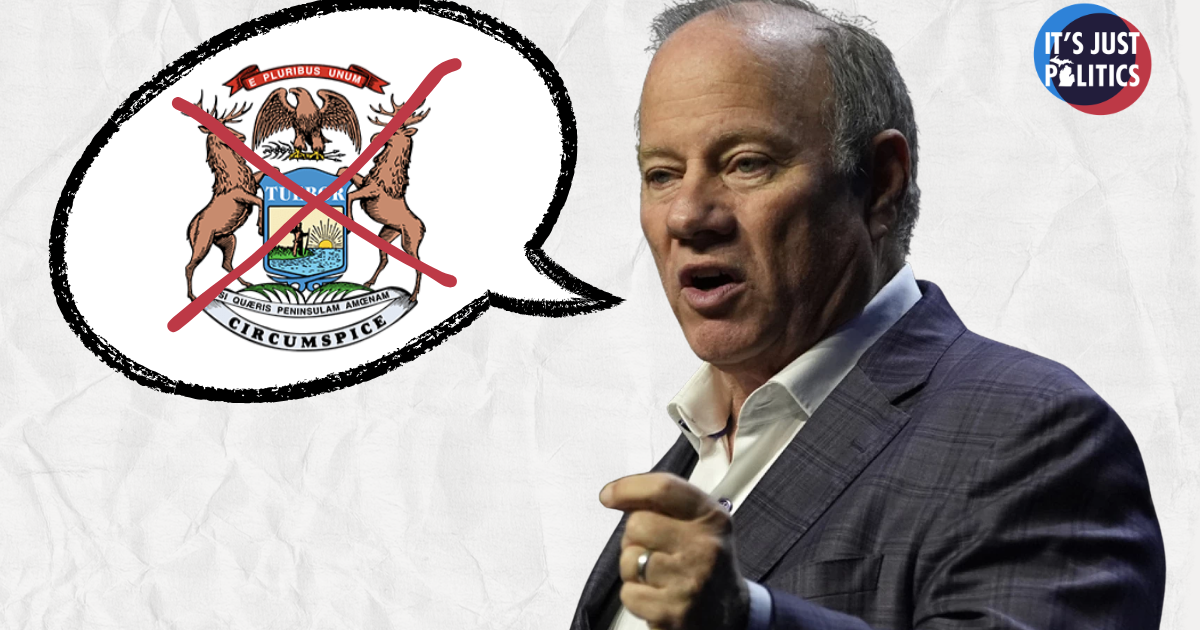
Michigan Politics: Duggan Drops Out of Governor’s Race, Shifting Landscape
This week, Michigan’s political landscape saw a significant shift with the unexpected exit of former Detroit mayor Mike Duggan from the governor’s race. Duggan, who was running as an independent candidate, announced the end of his campaign, citing the changing national climate and the lack of a feasible path forward.
Duggan’s decision to withdraw from the race came as a surprise to many, considering his strong reputation for being a pragmatic problem solver and his initial status as a serious contender for the governorship. Despite early support from business groups and his track record of overcoming odds, Duggan ultimately faced challenges in gaining momentum and funding as an independent candidate in a political environment still dominated by the two major parties.
His departure from the race has reshaped the field, with Secretary of State Jocelyn Benson emerging as a frontrunner for the Democratic nomination. On the Republican side, candidates like U.S. Representative John James, former Michigan Attorney General Mike Cox, and others are vying for the nomination. However, the fallout from former President Donald Trump’s diminishing popularity has complicated the Republican field, potentially giving Democrats an advantage in the upcoming election.
While Duggan’s decision to drop out of the race may have been unforeseen, it underscores the challenges faced by independent candidates in a political system largely divided along party lines. As Michigan gears up for the governor’s race, the dynamics of the campaign have shifted, setting the stage for a competitive and closely watched election in the months ahead.
Key Developments in Michigan Politics
Property Tax Reform: The Michigan House of Representatives recently passed bills that could lower property taxes for many residents, though concerns remain about the potential impact on state and local government revenues. Republican leaders have proposed offsetting the revenue loss by imposing taxes on luxury services, setting the stage for budget negotiations.
Voting Rights Legislation: A state Senate committee approved legislation aimed at creating a Michigan Voting Rights Act to address gaps left by a Supreme Court decision on federal voting rights laws. The proposed bills seek to enhance voter accessibility, language assistance, and election management, reflecting ongoing debates over voting rights and election integrity.
Senate Special Election: Senator Chedrick Greene’s victory in a special election has restored Democrats’ majority in the Michigan Senate. Greene’s significant margin of victory in a closely watched race highlights the current electoral advantage for Democrats in the state.
Original News Article:
Title: “Study Shows Rise in Remote Work Opportunities Amid Pandemic”
A recent study conducted by the National Workforce Institute has revealed a significant increase in remote work opportunities in various industries during the COVID-19 pandemic. The study found that 65% of companies now offer remote work options to their employees, compared to just 20% before the pandemic. This shift has been driven by the need to adapt to social distancing measures and ensure the safety of employees.
According to the study, industries such as technology, finance, and healthcare have seen the highest increase in remote work opportunities. Companies in these sectors have implemented remote work policies to maintain productivity while prioritizing the health and well-being of their employees. Additionally, the study highlighted that remote work has become more widely accepted by both employers and employees, leading to a more flexible work environment.
Despite the positive impact of remote work on employee well-being and productivity, the study also noted some challenges. Issues such as communication barriers, feelings of isolation, and difficulty separating work from home life were cited as common concerns among remote workers. However, companies are actively addressing these challenges by providing additional support and resources to their remote employees.
Overall, the study emphasizes the growing trend of remote work opportunities and the need for companies to adapt to this new work model in the post-pandemic world.
New Article:
Exploring the Surge in Remote Work Opportunities During the Pandemic
The workforce landscape has experienced a notable shift in recent times, as revealed by a study conducted by the National Workforce Institute. The study showcases a remarkable increase in remote work opportunities across various industries in response to the COVID-19 pandemic. Prioritizing the safety and well-being of employees, companies have adapted by offering remote work options, with 65% of businesses now providing this flexibility compared to a mere 20% pre-pandemic.
Industries such as technology, finance, and healthcare have emerged as frontrunners in embracing remote work arrangements, aiming to balance productivity and health considerations. This transition has not only become a necessity to adhere to social distancing guidelines but has also fostered a more flexible work environment that is beneficial for both employers and employees.
While remote work offers numerous advantages, including increased flexibility and improved work-life balance, challenges such as communication barriers and feelings of isolation have surfaced among remote workers. Acknowledging these obstacles, companies are actively engaging in providing support and resources to ensure the well-being and effectiveness of their remote workforce.
As the study underscores the growing trend of remote work opportunities, it becomes evident that companies must continue to adapt and refine their strategies to navigate this evolving work model in a post-pandemic world.