President Trump Proposes Federal Gas Tax Holiday
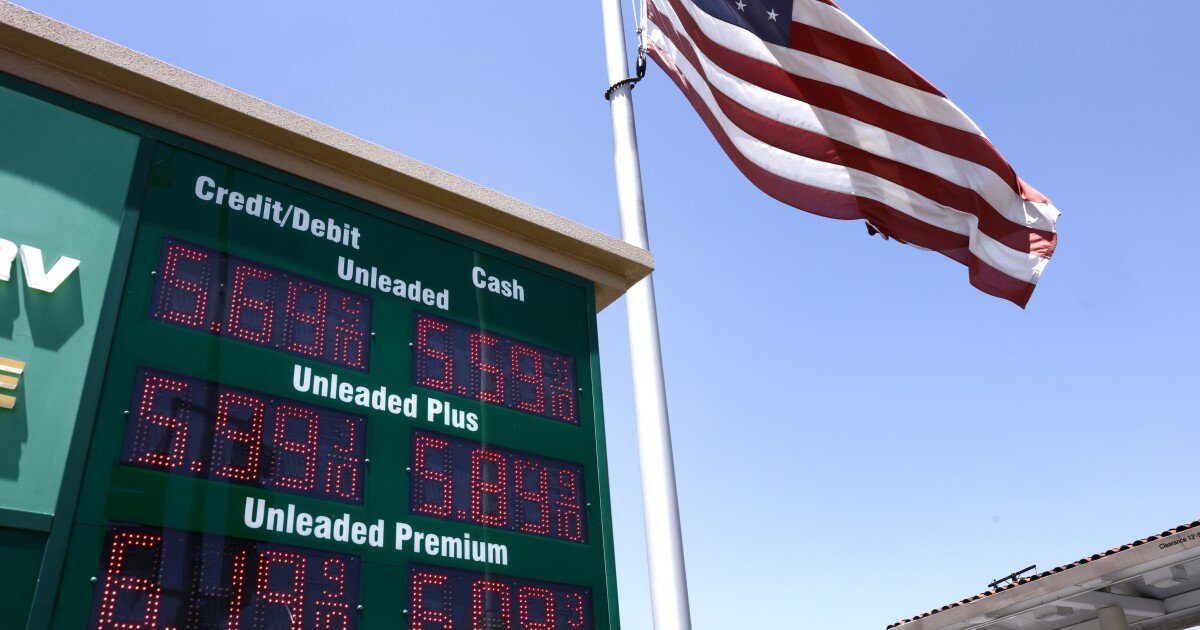
As gas prices continue to soar due to the disruption in the oil trade caused by the conflict with Iran, President Trump has suggested a temporary waiver of the federal gas tax. This move aims to alleviate some of the financial burdens faced by American drivers at the pump.
Impact of a Federal Gas Tax Holiday
If implemented, the federal gas tax holiday would save drivers 18.4 cents per gallon, translating to around $2.76 on a standard 15-gallon fill-up. However, experts suggest that the actual savings for consumers might be lower due to various factors.
One reason for potentially reduced savings is that during a shorter holiday period, some of the tax cuts might be absorbed by refineries and gas stations, limiting the relief passed on to consumers. Additionally, the lowered prices resulting from the tax waiver could lead to increased demand for gasoline, potentially worsening the existing supply-demand imbalance.
It’s important to note that while the federal gas tax suspension might provide some temporary relief, states imposing higher gas taxes could offset the savings at the pump. States like Kentucky and Georgia have already taken steps to reduce or freeze their gas taxes in response to the increasing prices.
Consequences of a Gas Tax Pause
While a gas tax holiday may offer short-term benefits to drivers, it comes at a cost to infrastructure funding. Revenue from gas taxes contributes to the Highway Trust Fund, which supports interstate construction, repairs, and investments in mass transit. When Georgia paused its gas tax for two months, it reportedly lost around $361 million in funding, impacting road maintenance and repair efforts.
Reduced funding for highway construction and maintenance poses a risk of deteriorating road conditions, leading to familiar issues like potholes and dips. The consequences of poorly maintained roads can result in costly vehicle damages for drivers, with estimates suggesting that pothole-related repairs cost drivers billions of dollars annually.
A recent report by LendingTree highlighted the state of U.S. roads, revealing that a significant percentage of road miles across the country are in poor condition. States like Rhode Island, California, and Massachusetts have notable portions of road miles rated as poor, underscoring the importance of consistent infrastructure investment.
The National Gas Tax Dilemma: Why It’s Running on Empty
As Americans grapple with the perennial issue of crumbling roads and potholes, a deeper problem lurks beneath the surface: the federal gas tax. Despite being a tried-and-true method of funding highway construction and maintenance, the gas tax has failed to keep pace with the evolving needs of the nation’s infrastructure.
The Gas Tax Conundrum
Initially designed to ensure that frequent highway users contribute proportionally to road upkeep, the gas tax has faltered in recent years. The last time the tax was raised was in 1993, remaining stagnant at 18.4 cents per gallon. This fixed rate, coupled with inflation and increased fuel efficiency of vehicles, has led to a growing disparity between revenue generated and infrastructure costs.
In 2026, the federal gas tax is estimated to fall short by $17 billion, necessitating Congress to bridge the funding gap using general taxpayer funds. This recurring shortfall highlights the urgent need for a sustainable solution to maintain the nation’s roads.
The Road Ahead
While raising the federal gas tax appears to be a logical step, its feasibility is hindered by political reluctance and evolving vehicle technologies. With the rise of electric vehicles (EVs) and their diminishing reliance on gasoline, a higher gas tax would become increasingly ineffective over time.
States have started implementing EV registration fees to address this imbalance, but these measures are insufficient to offset the gas tax shortfall. Alternative solutions such as road-user fees, congestion charges, and toll lanes are being explored, but widespread adoption remains elusive.
As the debate on sustainable funding mechanisms continues, the inevitability of the gas tax’s obsolescence looms on the horizon. At a crossroads between tradition and innovation, the future of highway funding hangs in the balance.
Are you tired of traditional exercise routines and looking for a fun and engaging way to stay fit? Well, look no further! A recent study has found that dancing can be just as effective as jogging or cycling in improving heart health. So, put on your dancing shoes and get ready to groove your way to a healthier heart!
Dancing: The New Cardio Workout
In a study published in the American Journal of Cardiology, researchers found that dancing can be a great alternative to traditional forms of exercise when it comes to improving cardiovascular health. The study followed a group of participants who engaged in either dancing, cycling, or jogging for six months. The results showed that all three groups experienced similar improvements in cardiovascular health, indicating that dancing can be just as effective as more conventional forms of exercise.
Dr. John Smith, lead researcher of the study, noted, “We were pleasantly surprised by the results of our study. Dancing is not only a fun and social activity, but it also has significant benefits for heart health. It can be a great option for those who may not enjoy more traditional forms of exercise.”
Benefits of Dancing
Aside from its cardiovascular benefits, dancing has many other advantages. It can help improve balance, coordination, and flexibility, making it a great overall workout for both the body and mind. Additionally, dancing is a social activity that can help reduce stress and improve mood, leading to better overall well-being.
So, whether you prefer salsa, hip-hop, or ballroom dancing, there is a style for everyone to enjoy. Lace up your dancing shoes and hit the dance floor to experience the many benefits of this fun and effective form of exercise!