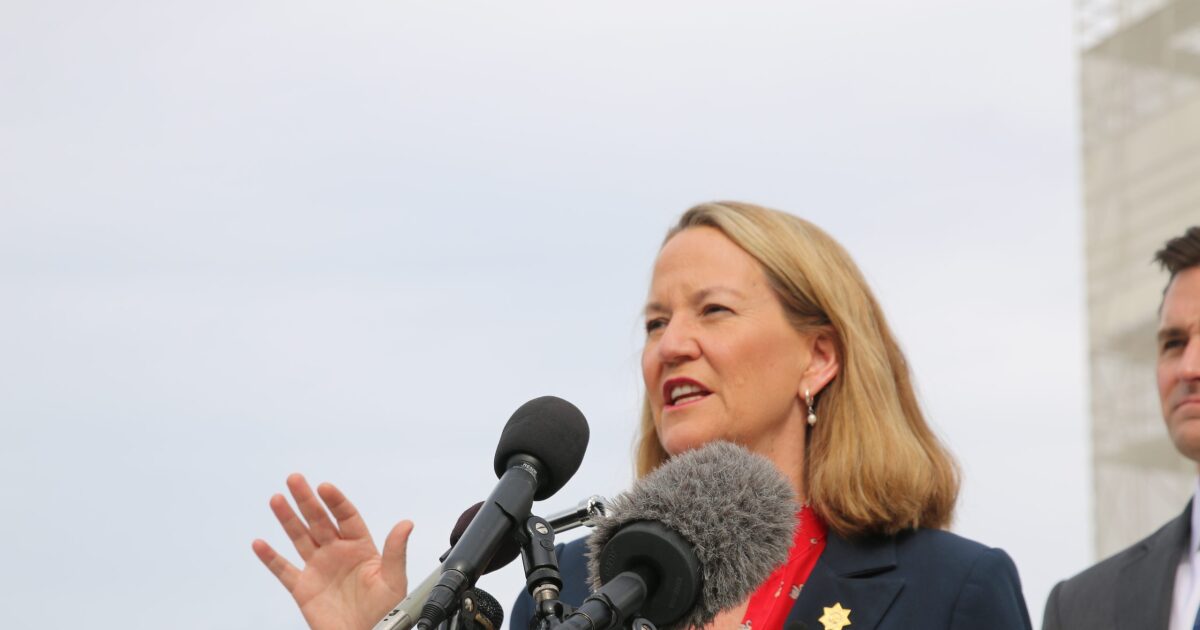
Arizona Attorney General Kris Mayes has become a prominent figure in the legal battles against President Donald Trump’s administration. Since Trump’s return to the White House in January, Mayes has been involved in 30 lawsuits directed at federal government policies.
Arizona stands with 22 other states led by Democratic attorneys general, most of which have filed even more lawsuits. Mayes’s legal challenges encompass a broad range of issues, including the federal nutrition aid disruption during the government shutdown, immigration policy changes, cuts in funding for education and public health, and regulatory alterations aimed at boosting fossil fuel production.
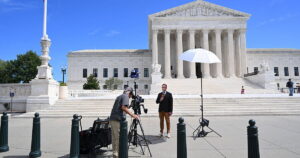
Mayes expressed her reluctance but necessity in pursuing these legal actions. “This is not what I get up every day wanting to do,” she mentioned during an interview with Cronkite News outside the U.S. Supreme Court. Her comments came after arguments in a multistate lawsuit contesting Trump’s extensive use of tariffs without congressional consent. “But if Donald Trump decides to violate the Constitution, violate statute, or harm the people of Arizona, I’m going to file that lawsuit.”
Despite winning only two cases and losing two others, Mayes claims to have saved Arizona $1.5 billion. In 15 instances, she achieved temporary judicial relief, including a $132 million education funding win and more than $1 billion from orders freezing federal spending misaligned with Trump’s priorities.
Mayes, along with other Democratic attorneys general, positions herself as a defender of taxpayers and citizens. In a notable case against tariffs, Arizona, California, and Oregon argued that the measures were unlawful and increased costs for American consumers and businesses. “We have small businesses in Arizona that are going out of business every day,” Mayes said, citing various local entrepreneurs affected by the tariffs.
The cost of these litigations to Arizona has been approximately $2 million, as reported by the Arizona Republic. Mayes contends that Republican attorneys general are missing out on substantial financial gains by avoiding similar legal battles, stating they are “too afraid of Donald Trump … because he’s a dictator and he will punish them and he will end their political careers.”
The Progressive State Leaders Committee, an advocacy group monitoring state-federal litigation, notes that Mayes has successfully obtained temporary halts in 15 cases. These cases challenge various administrative actions, such as attempts to dismantle AmeriCorps, NIH funding cuts, and policies impacting immigration and public services.
Some ongoing cases without a decision involve Trump’s initiatives to end wind energy projects and restrict education grants. Meanwhile, three cases have seen courts permitting Trump’s policies to proceed amidst ongoing litigation, including changes to NIH grant procedures and regulations affecting the Affordable Care Act.
June regulations from the Department of Health and Human Services, which include new verification requirements and changes to enrollment periods, have faced opposition from Democratic attorneys general, who argue they infringe on legal rights and harm states and residents.
Cases where Arizona’s challenges were unsuccessful include efforts to prevent layoffs of probationary federal workers and certain Department of Education policies. However, Arizona and other states successfully resisted attempts to retract pandemic-related grants.
This article first appeared on Cronkite News and is republished here under a Creative Commons Attribution-NoDerivatives 4.0 International License.