Controversy Over Cameras in Courtrooms: A Look at History and Recent Debates
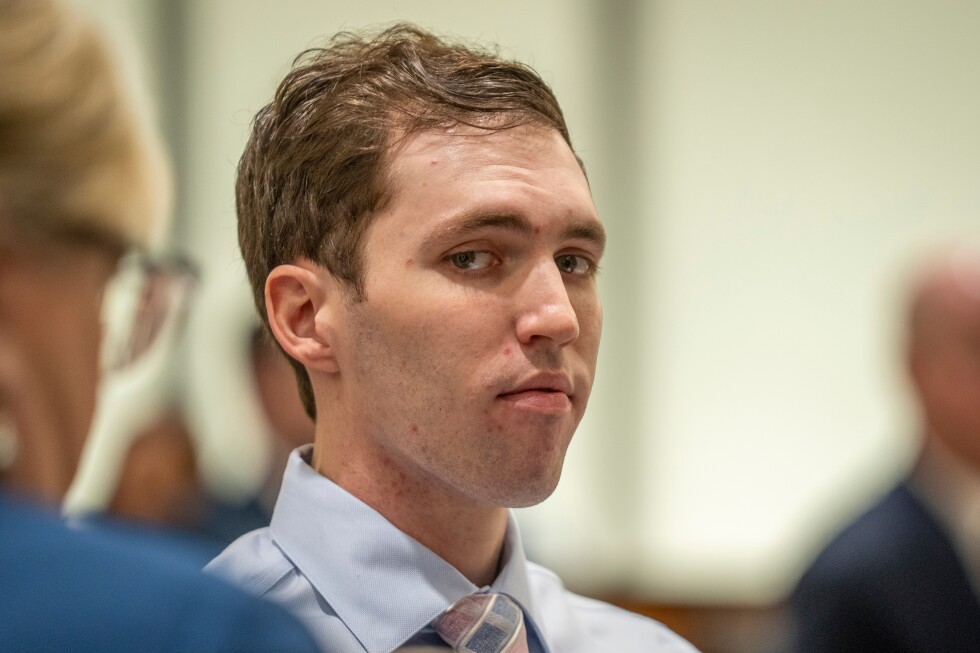
Courtroom dramas have fascinated the public for decades, offering a glimpse into the judicial processes behind America’s most infamous criminal cases. From the sensational Lindbergh baby kidnapping trial to the mesmerizing O.J. Simpson trial, cameras have played a pivotal role in shaping public perception. With the upcoming trial of Tyler Robinson for the killing of Charlie Kirk, the debate over allowing cameras in the courtroom is heating up once more.
Robinson’s defense team has requested a camera ban in the Utah courtroom, citing concerns over sensationalist media coverage potentially biasing the jury against their client. The prosecution, however, argues that allowing cameras could help counter misinformation and conspiracy theories surrounding the case, suggesting that “transparency serves as a corrective to misinformation.”
Historical Precedents and the Evolution of Courtroom Cameras
The use of cameras in courtrooms is not new. In 1935, the trial of Bruno Richard Hauptmann for the murder of Charles Lindbergh’s baby marked a turning point. The intense media frenzy, characterized by popping flashbulbs and photographers clambering for shots, led to stricter rules against cameras in courtrooms for many years.
Yet, the debate over their presence persists. In 1962, a Texas judge allowed filming during the trial of conman Billie Sol Estes, which resulted in a circus-like atmosphere and a subsequent Supreme Court ruling that intense media coverage had deprived Estes of a fair trial. This ruling echoed a long-standing federal ban on courtroom cameras.
Modern-Day Trials and Media Exposure
Despite past controversies, cameras have slowly re-entered many state and local courtrooms across the U.S. Trials of high-profile figures like Ted Bundy, Jeffrey Dahmer, and others have been broadcast widely, sometimes sparking debates about the influence of media on the judicial process. Even so, judges retain significant control over which trials can be televised and under what conditions.
Some trials, like Donald Trump’s 2024 conviction in a hush money case, remain closed to cameras due to specific state laws. In such instances, media outlets rely on sketch artists to depict courtroom scenes.
The Impact of Televised Trials
No trial has gripped public attention like the 1995 prosecution of O.J. Simpson, which became known as the “trial of the century” and attracted an average daily viewership of 5.5 million people, a record noted by Guinness World Records. As the case unfolded, the interplay between media coverage and courtroom proceedings became a topic of critical discussion.
The trial’s extensive media coverage raised concerns about its impact on jurors and the behavior of courtroom participants, with some observers noting that “the judge and the attorneys were playing to the cameras as much as they were playing to the jury,” according to Cornell Law School professor Valerie Hans.