Supreme Court Ruling Sparks Major Shift in Civil Rights Enforcement
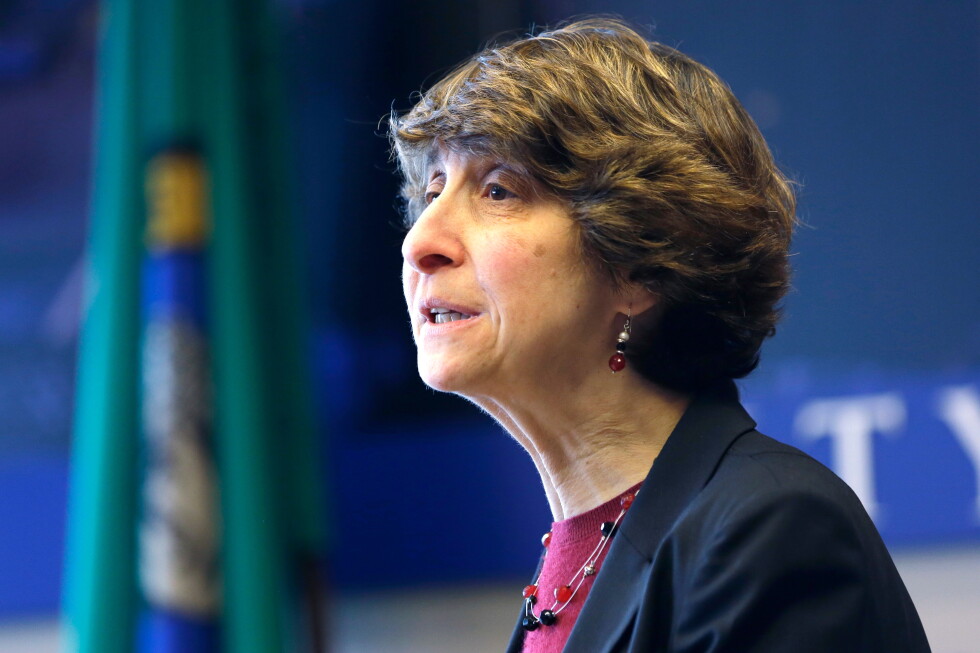
An unprecedented Supreme Court decision has reshaped the landscape of civil rights enforcement in the U.S., significantly amplifying presidential power over independent agencies. This development led to the withdrawal of a lawsuit by Jocelyn Samuels, a former Democratic commissioner of the Equal Employment Opportunity Commission (EEOC), against her dismissal by former President Donald Trump.
Jocelyn Samuels, alongside another Democratic commissioner, was removed from the EEOC by Trump, marking a first in the agency’s history since its establishment through the 1964 Civil Rights Act. Their removal facilitated a reorientation of the EEOC’s focus, emphasizing the examination of diversity and inclusion practices, altering protections for transgender workers, and addressing discrimination claims involving white and U.S.-born workers.
This shift was further evidenced by the EEOC’s latest regulatory agenda. It proposes the cessation of annual workplace demographic data collection and the rescission of a longstanding guideline that warns against English-only workplace policies due to potential discrimination.
The current EEOC composition includes two Republicans and one Democrat, with two seats still vacant. The commission’s recent actions, including these proposals, signify a continued alignment with the Trump administration’s civil rights objectives. EEOC Chair Andrea Lucas has publicly supported the Supreme Court’s ruling, asserting in a LinkedIn post that it confirms the EEOC’s status as an executive branch agency.
In response to the regulatory agenda, Kalpana Kotagal, the sole Democratic commissioner, voted against the proposed changes, emphasizing that they could weaken worker protections and impair the agency’s enforcement capabilities. The agenda includes rescinding a 40-year requirement for larger employers to submit workforce demographic data, which critics argue burdensome while supporters assert is crucial for identifying discrimination.
The proposed changes also involve revising guidelines on national origin discrimination, challenging previous assumptions about the legality of English-only rules in workplaces. Furthermore, the EEOC aims to revise regulations related to the Pregnant Workers Fairness Act, with Chair Lucas expressing opposition to including abortion as a circumstance warranting workplace accommodations.
The Supreme Court ruling last week supported Trump’s authority to dismiss heads of independent agencies, barring the Federal Reserve, overturning nearly a century-old precedent. This decision has profound implications for the governance of civil rights agencies and their operational independence.
For more details, explore the full lawsuit background and the Supreme Court’s ruling details.