Controversy Surrounds U.S. Sanctions on International Criminal Court Officials
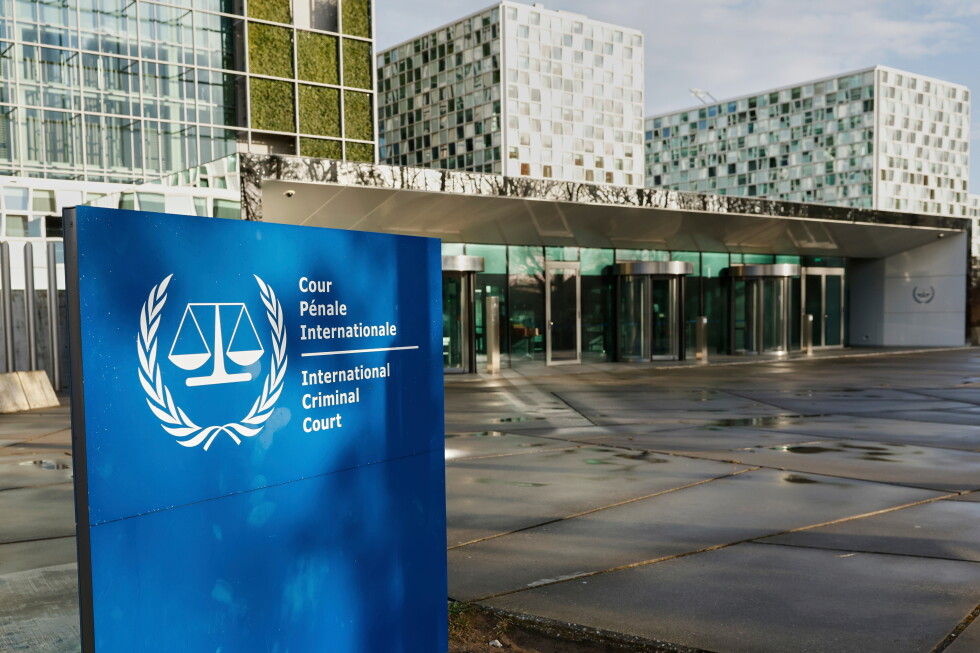
The recent U.S. sanctions against key figures of the International Criminal Court (ICC) have sparked significant international backlash. These measures, described by the ICC as a “flagrant attack” on its independence, target senior staff including the court’s president, Tomoko Akane, and senior trial lawyer Abdoulaye Seye.
The sanctions, announced by the U.S. State Department, involve freezing any assets that Akane and Seye may hold within U.S. jurisdictions or in connection with the U.S. financial system. This move has drawn criticism from Japan, where Prime Minister Sanae Takaichi expressed regret, stating, “Japan will respond as we continue to maintain communication with related countries including the United States.”
Under the Trump administration, a total of nine ICC judges, both deputy prosecutors, the former chief prosecutor, and another prosecution office staffer have faced sanctions. The U.S. argues that the ICC has overreached its jurisdiction by pursuing investigations against military and political leaders from non-member states like the U.S. and Israel.
In response, the ICC released a statement emphasizing that threats to judicial actors endanger the international legal order. The court remains committed to executing its duties with independence and impartiality.
U.S. Secretary of State Marco Rubio criticized the ICC as a “corrupt and fatally politicized supranational court” that exceeded its mandate, further declaring a comprehensive campaign to counter what he perceives as a threat to U.S. sovereignty.
The sanctions have broader implications as they pressure the court’s 125 member states to reconsider their participation. Venezuela and Chad have already initiated withdrawal from the ICC, with five countries leaving in the past year. Official withdrawal is a year-long process.
These sanctions impact the daily lives of ICC officials, restricting their ability to enter the U.S. and access financial services. Canadian judge Kimberly Prost, who faced sanctions last year, described the situation as having her “whole world restricted,” citing loss of credit card access and even issues with Amazon’s Alexa.
The Assembly of States Parties, overseeing the ICC, labeled the sanctions as an “escalation” that risks hindering investigations and global justice efforts. Japan finds itself in a delicate position, balancing its strong alliance with the U.S. while managing the challenges posed by Trump’s policies.
Political figures in Japan, including opposition leader Yuichiro Tamaki, have condemned the U.S. actions, urging the Japanese government to support the ICC and seek a reversal of the sanctions. Meanwhile, Germany and the Netherlands have voiced their support for the ICC, with German officials affirming the court’s role in holding perpetrators accountable, and Dutch Foreign Minister Tom Berendsen inviting Akane for discussions on maintaining support.
Human Rights Watch and other advocacy groups have filed a lawsuit in New York against the Trump administration, challenging its aggressive stance against the ICC. Balkees Jarrah from Human Rights Watch accused the administration of contempt for international law and attempting to shield officials from justice.