Indigenous innovation has left an indelible mark on the world, but many people remain unaware of these crucial contributions. Native American and Indigenous communities, long before European contact, developed technologies and systems that have had a lasting impact on modern life. Here are some transformative inventions by Indigenous peoples that have shaped the world.
These contributions, often overshadowed, are integral to everyday living. From agriculture to medicine, Indigenous communities have been at the forefront of solving complex issues for centuries.
According to History, Native healers discovered the pain-relieving properties of willow bark, which contains salicin, the forerunner to aspirin’s active ingredient. They also innovated the use of syringes, employing animal bladders and hollow bird bones for medical purposes.
Arctic Indigenous peoples designed kayaks using wood or bone frames covered with animal skins, which are still used in modern times. They also crafted snow goggles from bone or leather to protect against snow’s glare, laying the groundwork for today’s eyewear. The “Three Sisters” agricultural method, where corn, beans, and squash are planted together, originated with Indigenous farmers, influencing farming techniques worldwide.
Native American Innovations That Shaped the World:
Pain Relievers and Medical Innovations
Notably, UCLA highlights how Native American healers harnessed natural resources for medicine. Salicin from the American black willow tree became key in aspirin, and tribes like the Shoshone and Navajo demonstrated advanced herbal medicine knowledge with contraceptives like stoneseed.
Syringes and Baby Bottles
Capitol Technology University points out that Indigenous peoples crafted syringes from bird bones and animal bladders for medical use. The Iroquois also invented the baby bottle using dried animal bladders and bird quill nipples.
Kayaks and Snow Goggles
The Inuit developed kayaks and snow goggles, using natural materials to adapt to Arctic environments. These innovations were crucial for survival and continue to influence modern designs.
Suspension Bridges
The Inca constructed suspension bridges from woven mountain grasses, facilitating trade and communication across the challenging Andes terrain.
Rubber
The Olmec were pioneers in creating rubber from latex and vine juice, using it for practical items like sandals and ceremonial balls.
Lacrosse
Native American tribes in New York and Canada originated lacrosse, as shared by Bryan University, making it America’s oldest sport with both cultural and spiritual significance.
Hammocks
The Taino introduced the hammock, an invention derived from the Arawak word “hamaka,” providing a practical sleeping solution in tropical climates.
Sunscreen
Native Americans developed natural sunscreens, utilizing ingredients like sunflower oil and aloe sap to shield their skin from the sun.
Snow Shoes
As noted by Case Western Reserve University, Native Americans invented snowshoes to navigate snowy landscapes, a vital tool for survival.
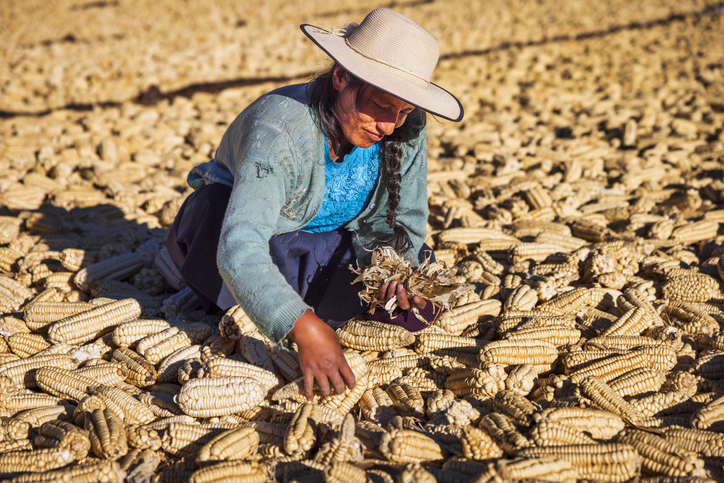
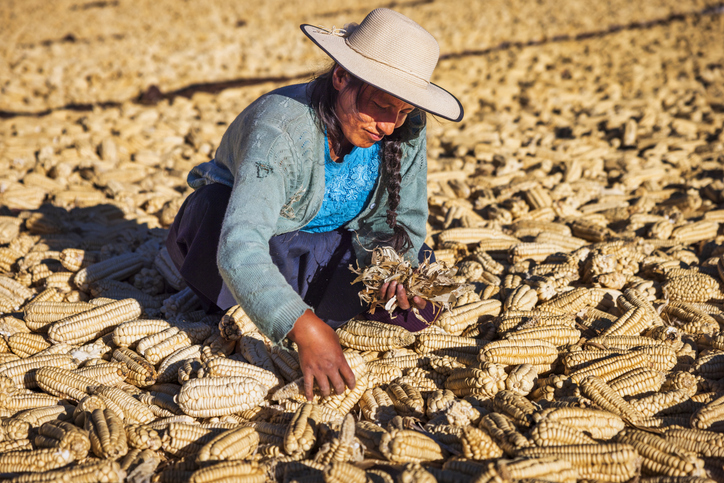
Corn
Indigenous peoples domesticated corn from a wild grass, a profound agricultural achievement that reshaped global food systems.
These examples of Indigenous ingenuity underscore their invaluable contributions to the world. As we celebrate Indigenous Peoples, it’s important to acknowledge these innovations that have enriched our lives.