The price tag for America’s war with Iran has climbed well past initial government projections — and the updated figures have not been shared with the public. Internal Pentagon data obtained by Reuters puts the total cost of the conflict at more than $47 billion, a figure that is more than 25% above the Defense Department’s own estimate from just three months ago.
Defense Secretary Pete Hegseth had placed the cost of the war at $37.5 billion as recently as July. The Pentagon did not respond to requests for comment on the newer, higher figure.
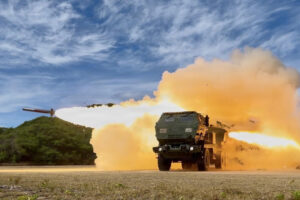
The updated estimate breaks down across several categories. The largest single driver is munitions replacement — restocking the precision-guided weapons and other ammunition used in combat operations — which alone is projected to cost more than $29 billion. An additional $6 billion or more would be needed to replace lost military equipment, including aircraft and drones destroyed during the fighting.
A War That Was Expected to Be Short
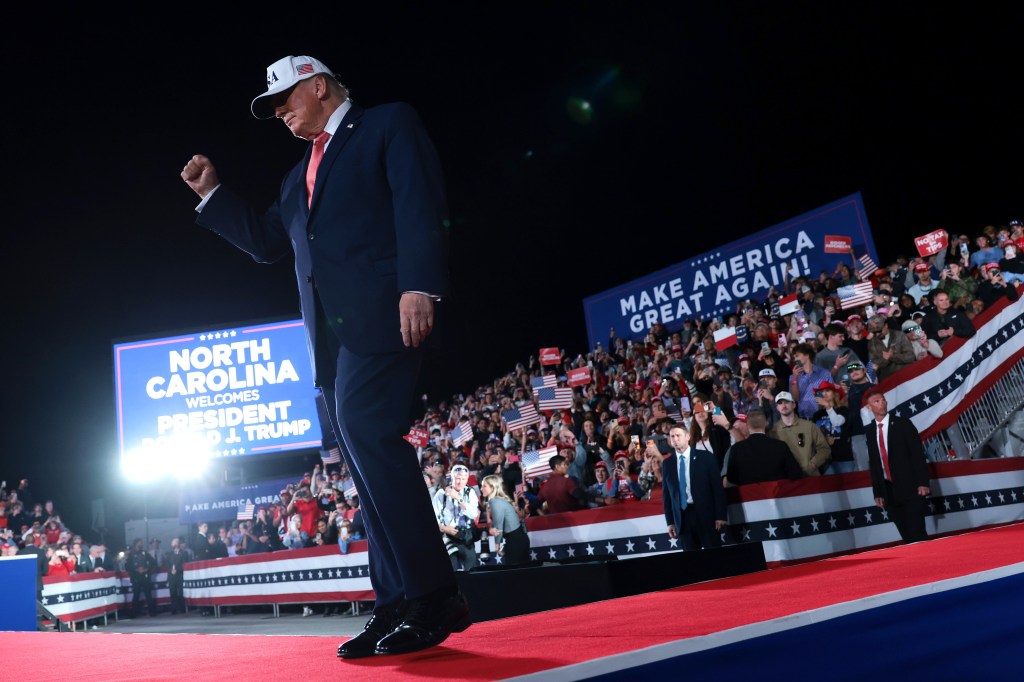
President Donald Trump launched the war against Iran alongside Israel in February, predicting at the time that the conflict would be brief. The early strategy centered on striking Iran’s defenses with high-end precision missiles first, clearing the way for less expensive munitions — such as air-launched JDAMs, a type of gravity bomb — to be used in follow-on operations.
That plan was complicated by an April ceasefire. During the pause in fighting, Iran was able to excavate underground storage facilities, restoring access to missiles, drones, and other military assets that had been cut off. Some Iranian defensive systems were brought back online as a result.
Since the ceasefire, Trump has imposed a naval blockade on Iran aimed at cutting off the country’s oil export revenue. U.S. officials, speaking on condition of anonymity, have told Reuters that the Pentagon has been making plans to resume heavy combat operations if ordered to do so after the midterm elections.
Political Pressure Builds Ahead of November
The financial and political costs of the conflict are converging as the November 3 elections approach. Republicans, who hold a narrow majority in both chambers of Congress, are facing headwinds from an electorate that has grown increasingly skeptical of the war. The conflict’s effect on global energy prices has weighed on Trump’s approval ratings and complicated the outlook for Republican candidates across the country.
The Pentagon’s cost figures cover a broad range of operational expenses, including flight operations and cyber support. Notably, the estimates do not clearly account for the cost of repairing damage to U.S. military bases caused by Iranian missile and drone strikes — an expense expected to be substantial. The updated $47 billion figure has not been publicly disclosed by the Defense Department.