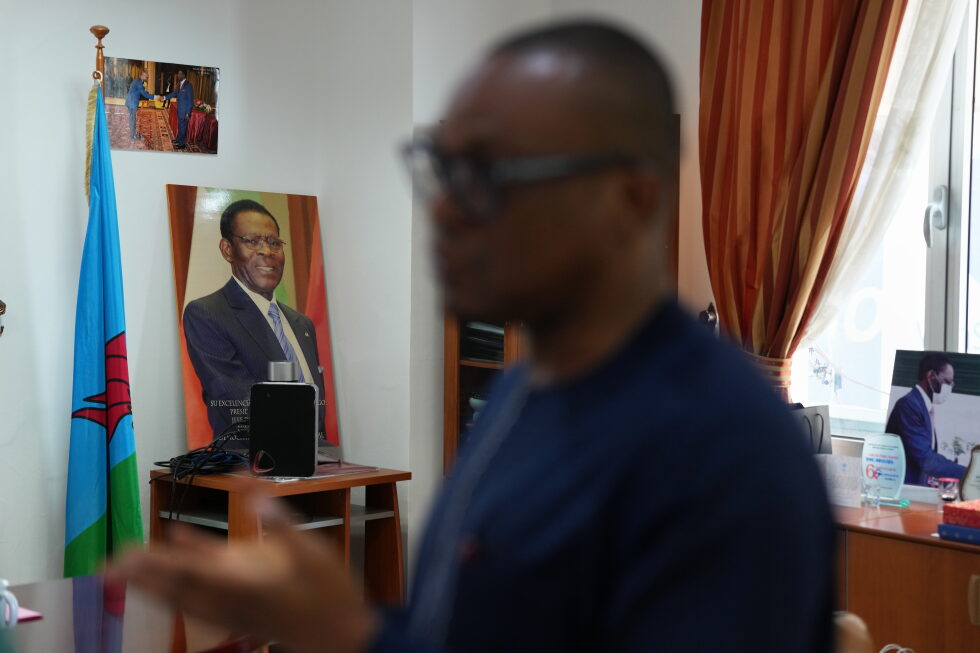
Lawyers specializing in human rights have initiated legal action against Equatorial Guinea, alleging the country violated deportees’ rights by sending them back to their nations from the U.S. The case was submitted to the African Commission on Human and Peoples’ Rights, seeking to halt further deportations and improve detention conditions in Equatorial Guinea.
Additionally, the legal filing demands compensation for those already deported. The lawsuit represents 14 African migrants deported between November 2025 and April 2026, supported by rights organizations like the Global Strategic Litigation Council coalition.
A Landmark Legal Battle
Although the African Commission on Human and Peoples’ Rights’ rulings are not obligatory, advocates believe this case could influence African governments to reconsider their handling of U.S. deportees. According to Beatrice Njeri from the Global Strategic Litigation Council, it’s a precedent-setting case in the region for individuals who were supposed to be protected from deportation.
Previously, the commission allowed legal proceedings concerning prolonged and unlawful detention in Eswatini. Subsequently, Eswatini’s Supreme Court allowed deportees to access legal counsel they were previously denied.
The Trump administration’s deportation policy, involving secretive agreements with nearly two dozen countries, has drawn criticism for potentially forcing asylum seekers back to their origin countries indirectly. Equatorial Guinea is one of several African countries involved in such agreements.
Consequences of Deportations
Recently, Equatorial Guinea deported six individuals to their countries in eastern Africa, an act lawyers argue amounts to “chain refoulement.” Despite U.S. courts granting them protection, these individuals face threats of persecution in their home countries due to political, religious, or ethnic reasons, along with violence related to sexual orientation.
Two deportees went into hiding after fleeing upon arrival in their home country. Three others were returned to Equatorial Guinea, as their origin country denied them entry due to a lack of documentation.
Bella Mosselmans from the Global Strategic Litigation Council described their situation as a cycle of statelessness and hardship, calling it a “cycle of hell.”
Equatorial Guinea’s Controversial Role
Despite human rights concerns, Equatorial Guinea remains a significant partner for the U.S. under a $7.5 million deportation arrangement. The country is accused of severe human rights abuses, and its government is labeled as corrupt by officials like Jeanne Shaheen, a key figure in the Senate Foreign Relations Committee.
Reports have highlighted the conditions faced by deportees and the transformation of a hotel into a detention center under the president’s directive. Despite its wealth from oil, Equatorial Guinea is plagued by corruption and allegations of human rights violations, with limited dissent tolerated by the government.