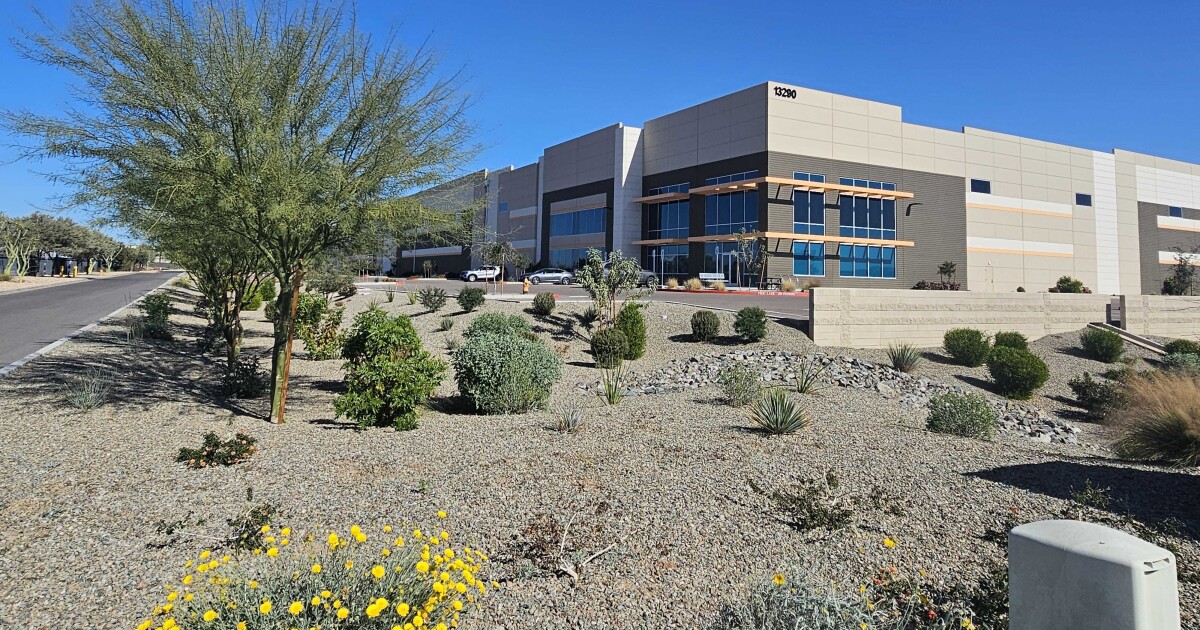
Surprise, Arizona, is at the center of a significant federal undertaking as plans for a new immigration detention facility unfold. This development has prompted discussions between federal authorities and local officials, aiming to address the concerns of residents and city leaders.
The Department of Homeland Security (DHS) is transforming a 400,000 square foot warehouse in the Phoenix suburb into a detention facility. The city’s Mayor Kevin Sartor, City Manager Andrea Davis, and other officials recently met with federal immigration representatives in Washington, D.C., seeking clarity and assurance regarding the contentious project.
The lack of communication from the federal government over the past few weeks has been a source of frustration for local leaders. City Councilman Johnny Melton acknowledged the bipartisan effort required to arrange the meeting, crediting Congressman Paul Gosar and Governor Katie Hobbs for their roles in facilitating the dialogue.
As stated in an official city release, the meeting was pivotal for local authorities to express their concerns and seek transparency. “The conversation was an important step in obtaining additional information and clarity regarding future federal operations in Surprise, and emphasized the importance of transparency, as well as timely communication and coordination, so the city can be fully informed and prepared,” the statement affirmed.
Uncertainty still surrounds key aspects of the facility, particularly its opening date. While internal documents suggested a September launch, Melton revealed that DHS is targeting a partial opening as early as late May, potentially accommodating 250 individuals initially.
The ambitious timeline necessitates swift retrofitting of the warehouse, recently contracted to a controversial security firm by DHS. Melton described this schedule as “an aggressive schedule.”
Federal Promises and Local Concerns
The Surprise facility’s development raises constitutional questions, particularly regarding the Supremacy Clause, which limits local regulatory powers over federal projects. Despite these constraints, DHS has pledged to offset local infrastructure costs, which include a “bed tax” to alleviate public safety and infrastructure expenses.
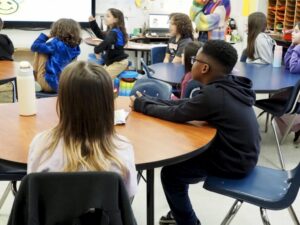
Melton emphasized that DHS has shown willingness to address local issues, including allowing city officials to inspect the facility to ensure humane conditions for detainees. Additionally, DHS reassured that immigration agents would not operate in local government buildings, such as schools and senior centers, adhering to community concerns.
A community relations board is also anticipated, though its composition and authority remain unspecified.
Moving Forward
While the discussions mark progress, Melton remains cautious, seeking formal agreements to solidify DHS’s commitments. He stated, “I can’t speak for the mayor or my other seatmates, but what I am looking for is to have all those promises, especially that last one, in some kind of writing. I don’t care if it’s an (intergovernmental) agreement or whatever, but I would like to see that in writing.”
DHS has not provided specific responses regarding the facility or its discussions with Surprise officials. However, a spokesperson confirmed the purchase of a facility in Glendale, Arizona, highlighting the economic benefits, including job creation and GDP contributions.
The Surprise City Council plans to disclose more insights from their federal meeting in an upcoming public session on April 7.