Federal Agents Enter Tribal Land as Border Wall Dispute Escalates
This week, tensions escalated as federal agents, accompanied by border wall contractors, entered the land of the Tohono O’odham Nation along the Arizona-Mexico border. The move has prompted the tribe’s leadership to explore its legal options, citing a breach of sovereignty.
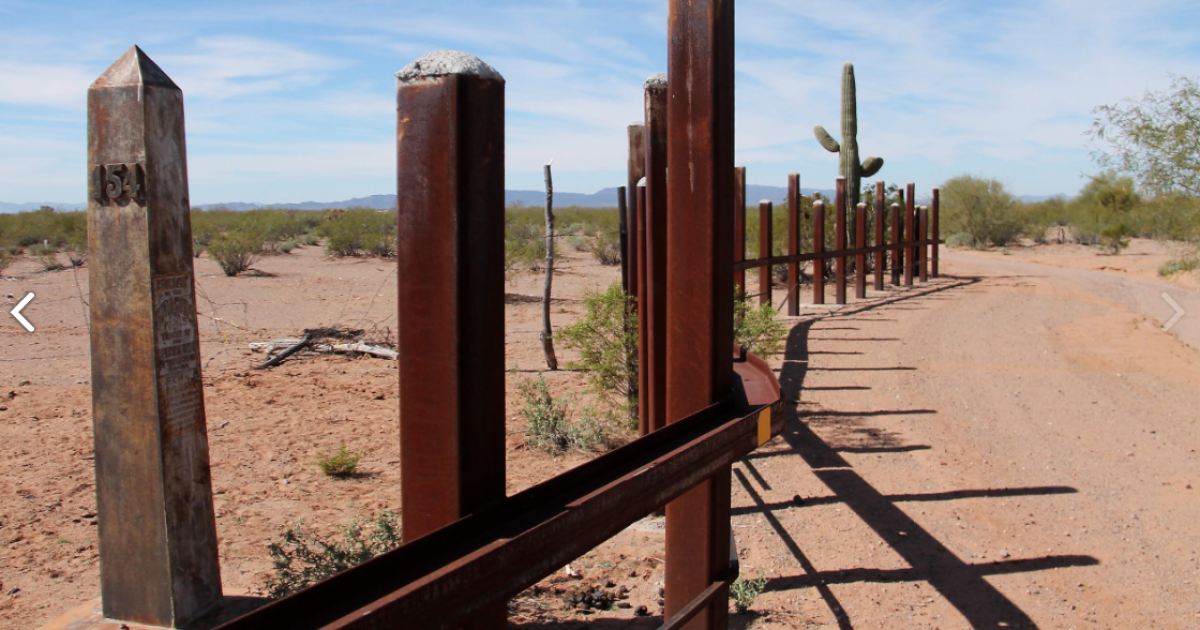
The Tohono O’odham Nation, which spans a 62-mile stretch of the border, has historically seen barriers like vehicle obstructions and surveillance towers but not a solid wall. Plans for such a wall were announced this summer by the Trump administration, leading the tribe to legally challenge the construction. Despite these efforts, a federal judge ruled against halting the project, and tribal police have since been escorting construction workers off the reservation under trespassing laws.
Earlier this week, contractors, under federal protection, began operations on tribal land. Video evidence from the tribe shows machinery engaged in soil sampling activities. Tribe Chairman Verlon Jose reported receiving early morning alerts from tribal police about the presence of armed Border Patrol agents, U.S. Bureau of Indian Affairs officers, and other federal personnel on their land.
Jose expressed his concerns, saying, “If I were to go into Washington, D.C. or any other federal establishment, and do exactly what they are doing to us here, they would not stand for it.” The current operation involves drilling boreholes for soil samples approximately every quarter mile. According to the Border Patrol, these pre-construction activities are expected to continue for about a week.
The federal agents claim to be operating within the so-called Roosevelt Reservation, a 60-foot-wide stretch along the border, which the tribe disputes even exists. This contested boundary runs along the borders of Arizona, California, and New Mexico. District Judge Richard Leon recently ruled that the U.S. government controls this area, rejecting the Tohono O’odham Nation’s injunction against the wall construction. More details on the ruling can be found here.
The tribe, according to Jose, is appealing the court’s decision and is determined to protect its land. “It is imperative that we address this issue — because what are we leaving for the generations after us?” he stated, highlighting the potential long-term impact on tribal members and the division it could cause among those living on both sides of the border.