Key Developments in the Charlie Kirk Murder Case as Legal Proceedings Intensify
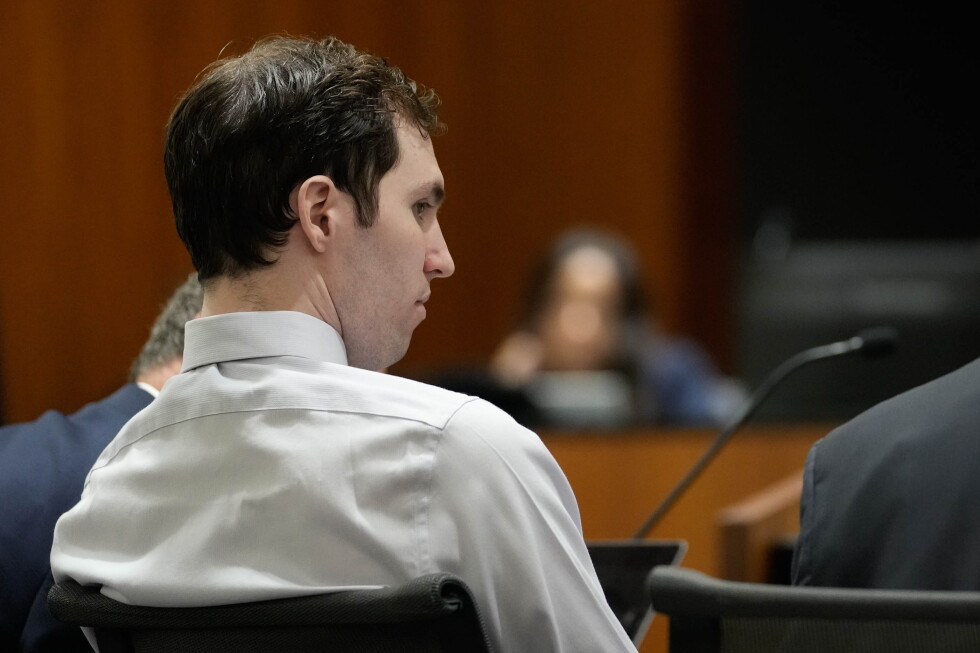
In a significant ruling, a Utah judge overseeing the murder case related to Charlie Kirk’s death has denied a defense request concerning witness testimony. The defense sought to compel Tyler Robinson’s former roommate to testify in person at the preliminary hearing. However, Judge Tony Graf stated that the credibility of witnesses can be addressed if the case proceeds to trial.
During the hearing, Judge Graf emphasized the preliminary hearing’s role is to assess whether sufficient evidence exists to warrant a trial, rather than to ascertain guilt or innocence. This decision aligns with the judge’s broader approach to managing how the case is handled procedurally.
Meanwhile, the judge has deferred his decision on whether to sanction prosecutors for their public comments regarding a bullet fragment linked to the case. The defense team argued that these remarks could prejudice potential jurors and requested that the death penalty be removed as a sentencing option.
Tyler Robinson, charged with aggravated murder following Kirk’s shooting on September 10 at Utah Valley University, has not yet entered a plea. Kirk, known for his association with Donald Trump, was shot in the neck while addressing a large audience.
Prosecutors have presented evidence claiming Robinson’s DNA was discovered on the rifle used in the shooting, alongside the fired and two unfired cartridges. Defense attorneys contest these findings, citing forensic reports indicating the presence of multiple DNA profiles on some evidence, necessitating further analysis.
Additionally, Robinson reportedly informed his roommate, also his romantic partner, via text message that his actions were motivated by Kirk’s perceived “hatred.” The defense asked for the exclusion of recorded statements from the roommate, asserting the importance of live testimony to allow Robinson to confront and question the witness directly.
Judge Graf, however, denied this motion, stating, “The Utah Supreme Court has repeatedly emphasized that a preliminary hearing is not a trial on the merits, but a gateway to the finder of fact.” He noted that determining witness credibility is a task for the jury during trial proceedings.
The case has garnered substantial attention, partly fueled by conspiracy theories following the defense’s disclosure that initial ballistic tests were inconclusive. This has led to speculation surrounding the possibility of another shooter or a staged event. Both sides have expressed concerns about these narratives potentially influencing the jury pool.
Earlier, a contempt hearing was held regarding prosecutors’ media statements about the bullet evidence. Robinson’s defense accused Deputy Utah County Attorney Christopher Ballard of potentially swaying juror opinion through public discussions. Ballard countered by stating he only made general comments about ballistics testing, which can often yield inconclusive results.
For ongoing updates, interested readers can follow the case details through various media outlets.