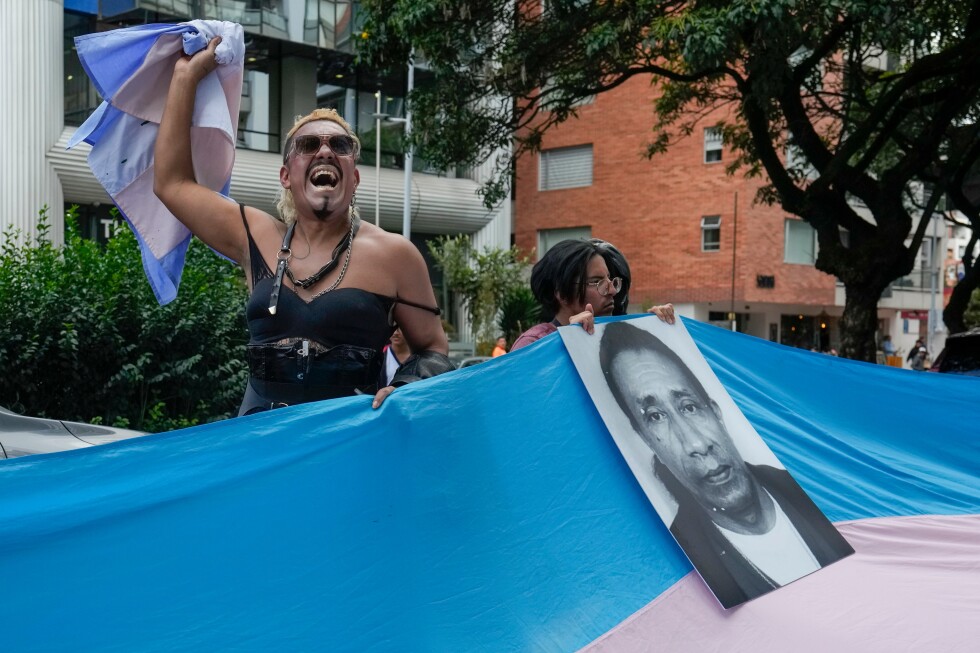
In a significant move for transgender rights in Ecuador, a recent Constitutional Court ruling has empowered adolescents like Amada to legally change their name and sex on official documents. This decision, alongside another earlier this year, extends rights previously granted to adults in a 2024 reform, marking a pivotal moment for young transgender individuals in the country.
“We decided to call her ‘Amada’ because she came into our home to be cherished,” said Lorena Bonilla, reflecting on the struggles and triumphs of her daughter’s journey. The ruling has been hailed as a victory by LGBTQ+ rights advocates in a region where conservative forces have been gaining traction. However, challenges remain in the form of societal and legal barriers.
Human Rights Watch researcher Cristian González Cabrera noted the resistance faced by adolescents seeking gender recognition. “In Ecuador, there are still political, religious and social sectors that portray gender recognition for adolescents as a threat,” he said, highlighting the potential for institutional resistance.
Amada and her family experienced these challenges firsthand when, at age 9, she was denied entry to schools due to mismatches between her gender identity and legal documents. After pursuing legal avenues, an initial court ruling in her favor was overturned, mandating that her documents revert to her birth name and sex.
Legal Developments and Social Backlash
Ecuador’s strides in LGBTQ+ rights have often been driven by court decisions rather than legislative action. This pattern is echoed in neighboring countries like Colombia and Peru. Notable court victories include the decriminalization of homosexuality in 1997, a 2009 decision allowing a transgender woman to change her name, and the 2019 legalization of same-sex marriage.
Despite these legal gains, opposition persists. André Santos, a prominent conservative leader, criticized the court for overstepping its bounds, and the Catholic Bishops Conference of Ecuador expressed concerns about the potential impact on adolescents.
Lack of Political Endorsement
President Daniel Noboa has maintained a cautious stance on LGBTQ+ issues. While not overtly opposing transgender rights, his administration has prioritized other pressing concerns such as economic stability and violence. This has left LGBTQ+ rights advocates like Diane Rodríguez wary of the influence of conservative figures within the government.
Rodríguez, who leads the Ecuadorian LGBTQ+ organization Silueta X, has faced prejudice in her personal life and professional endeavors. Her advocacy work includes documenting violence against LGBTQ+ individuals and supporting legal challenges against discrimination.
Transforming Personal Struggle into Advocacy
Amada’s journey has not only been about personal identity but also about driving broader societal change. Her parents, initially uncertain about their child’s identity, have become ardent advocates for transgender rights. Their experiences have led them to establish support networks for families with transgender children, aiming to foster understanding and acceptance.
While the family has since relocated to Canada, where Amada is thriving academically, they continue to push for change in Ecuador. Bonilla hopes that their story will inspire other families to embrace their children’s identities and dreams. “People think the destiny of transgender people is to become sex workers or live in hiding,” she said. “But we want every parent to know that one day their child can become whatever they want to be.”