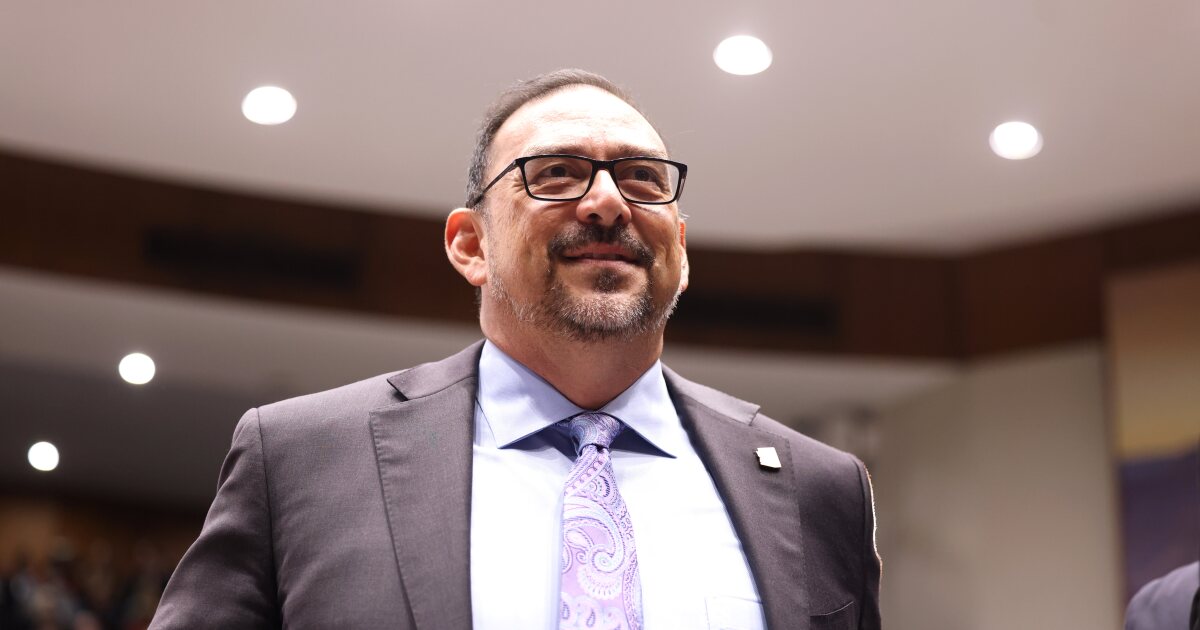
Arizona Supreme Court Dismisses Lawsuit Over Proposition 144 Ballot Description
In a noteworthy decision, the Arizona Supreme Court has dismissed a lawsuit that challenged the ballot description of Proposition 144, crafted by Secretary of State Adrian Fontes. The lawsuit claimed the language used was misleading, but the court upheld the original description.
America First Legal, a firm with ties to President Donald Trump, filed the lawsuit on behalf of three Arizona voters. They contended that the description failed to highlight that non-citizens are prohibited from voting, a point that is already established under current law.
Proposition 144 aims to introduce several changes to Arizona’s election laws, including a new requirement for all voters, mail-in ballots included, to present identification. The Secretary of State’s Office clarified its position, noting the 50-word limit for ballot descriptions necessitated focusing on elements that would modify existing laws.
Calli Jones, a spokesperson for the Secretary of State, emphasized the office’s role in informing voters, stating, “We have a responsibility to make sure people know what these referrals actually do and how they may change existing law, not regurgitate talking points.”
The Arizona Supreme Court’s decision to reject the lawsuit was based on a split ruling. The majority concluded that the plaintiffs lacked standing, as they did not demonstrate a legal basis to file the lawsuit. Chief Justice Ann Scott Timmer remarked that the potential harm claimed by the plaintiffs did not amount to a “distinct and palpable injury.”
Furthermore, even if the plaintiffs had standing, the court found the description to be neither false nor misleading, as it was approved in conjunction with the Attorney General’s Office. Justice Timmer noted, “The majority agrees with the trial court that the description is not false or clearly misleading.”
However, there was a dissenting opinion from Justices William Montgomery and Kathryn King. They argued that the plaintiffs indeed had standing and that the description was misleading for not including the terms “citizen” or “citizenship.”
As the November elections approach, Arizonans will face decisions on several ballot measures, including voter ID requirements and regulations concerning transgender students’ access to bathrooms, alongside Proposition 144.