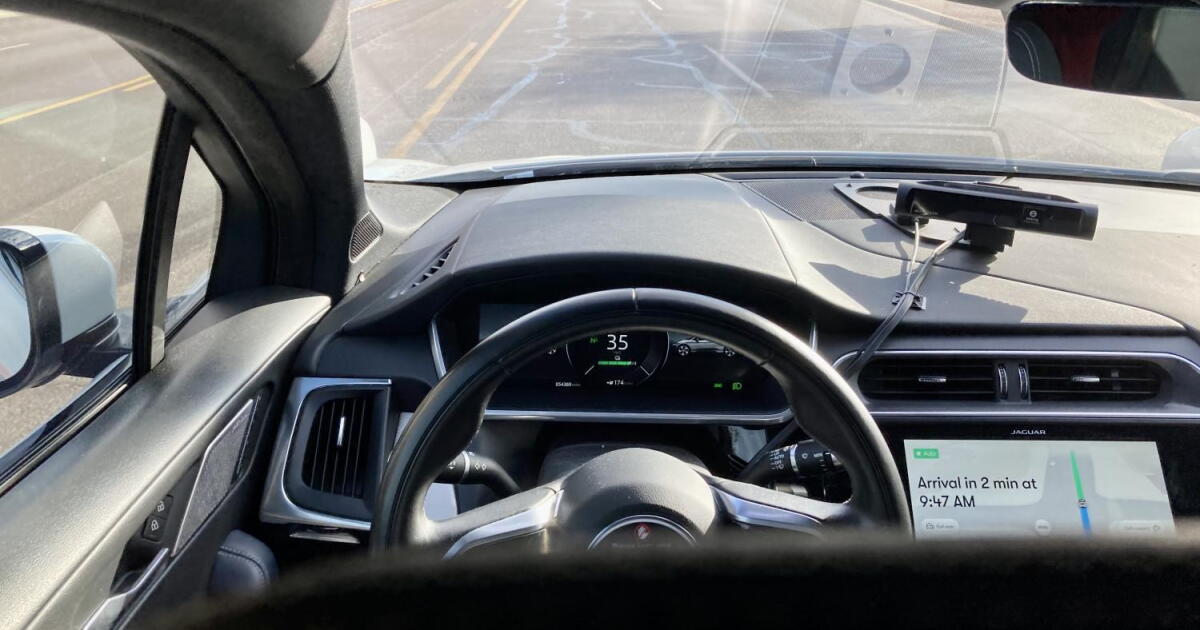
In a notable move affecting autonomous vehicle operations, Waymo has ceased the use of its driverless cars on freeways in Arizona and elsewhere across the United States. This decision follows a significant regulatory setback in California, where the state’s authorities imposed a ban due to a series of incidents. The implications for the company and the future of autonomous driving technology are considerable.
Waymo’s Nationwide Highway Withdrawal
Waymo, a prominent player in the autonomous vehicle sector, has halted its freeway operations nationwide. The action was prompted by a ban in California, which was instigated after two notable incidents involving Waymo vehicles. The first incident involved a Waymo vehicle inadvertently entering a construction zone without executing any braking maneuvers. The second occurred when a Waymo car failed to respond appropriately to a California Highway Patrol officer conducting a traffic break.
Andrew Hawkins, transportation editor at The Verge, explained the company’s response to these challenges. “I would hope that it’s just a minor blip for the company as opposed to a major setback,” he shared, noting Waymo’s efforts in rolling out software updates designed to address these issues. These updates, labeled as recalls, have been disseminated across their fleet of 3,000 robotaxis.
Challenges of Highway Navigation for Autonomous Vehicles
The incidents have highlighted the unique challenges autonomous vehicles face on highways compared to city streets. “Speed is obviously a really major factor here,” Hawkins noted, adding that the rapid response required on highways poses difficulties for the vehicle’s communication systems and remote operators. At highway speeds, even slight delays can lead to significant safety risks.
Despite the setbacks, Waymo is working closely with regulators, aiming to demonstrate its commitment to safety and regulatory compliance. The company has plans for international expansion into markets such as London and Japan, making it crucial to maintain a strong safety record.
The Broader Implications for Autonomous Driving
The recent incidents in California underscore the inherent tensions between commercial ambitions and technological limitations in the autonomous vehicle industry. As Hawkins pointed out, while there is a push towards expanding and commercializing these services, there is also an understanding that the technology is still evolving. The stakes are high, and any missteps could severely impact the industry’s progress.
The path to widespread acceptance of autonomous vehicles is gradual. As Hawkins stated, “I do think we’re slowly getting there, and I think ‘slow’ is really the operative word.” The industry must balance the need for innovation with rigorous safety standards, especially as competition intensifies from companies like Tesla, which often adopt a more aggressive approach to software development.
Waymo’s journey illustrates the complexities of deploying autonomous vehicles at scale while ensuring safety and regulatory alignment. As the company navigates these challenges, the broader implications for the future of transportation technology remain significant.