

The U.S. Army is making concrete moves to support the Golden Dome for America missile defense program — and the price tag tells you just how consequential the stakes are. With the Pentagon requesting $17.5 billion for the program through a reconciliation package, and Congress growing increasingly impatient with the pace of progress, the military's largest branch is stepping forward with personnel, planning, and a clear chain of priority.
Posts published in “Army”

Foreign interference is not just a threat to laboratories and research institutions — it is a threat to the integrity of American democratic life itself. When adversarial governments like China and Russia gain covert influence inside U.S. institutions, the damage extends well beyond stolen technology: it erodes public trust, undermines transparency, and chips away at the foundations that allow citizens to participate fully and confidently in their democracy.
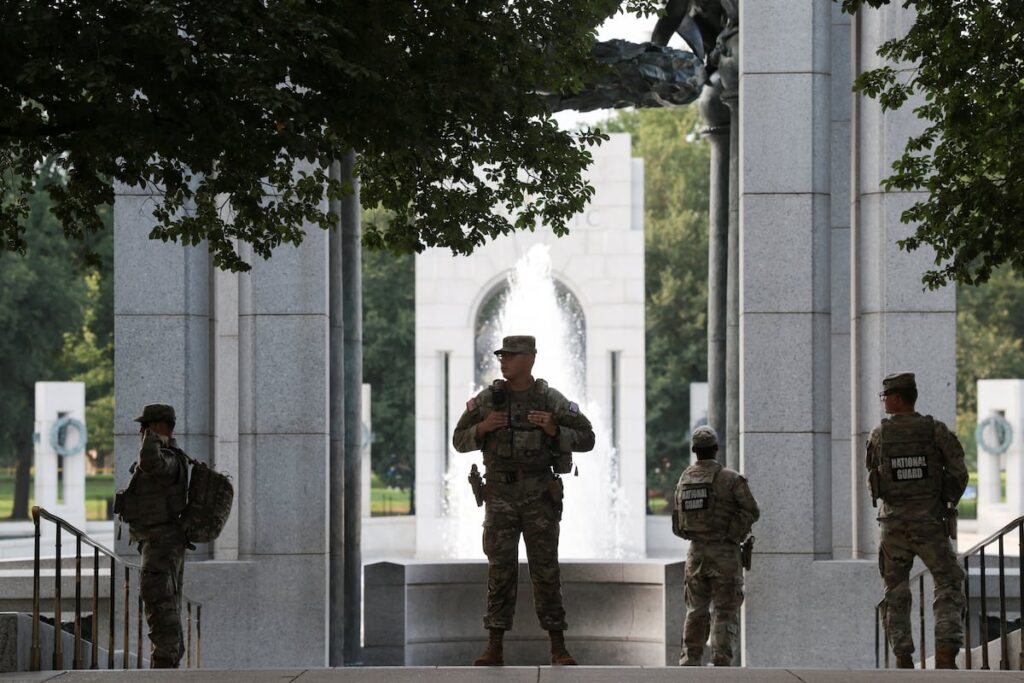
A shooting in Southeast Washington, D.C., late Sunday night left one National Guardsman and a suspect injured — both with wounds that are not expected to be life-threatening.
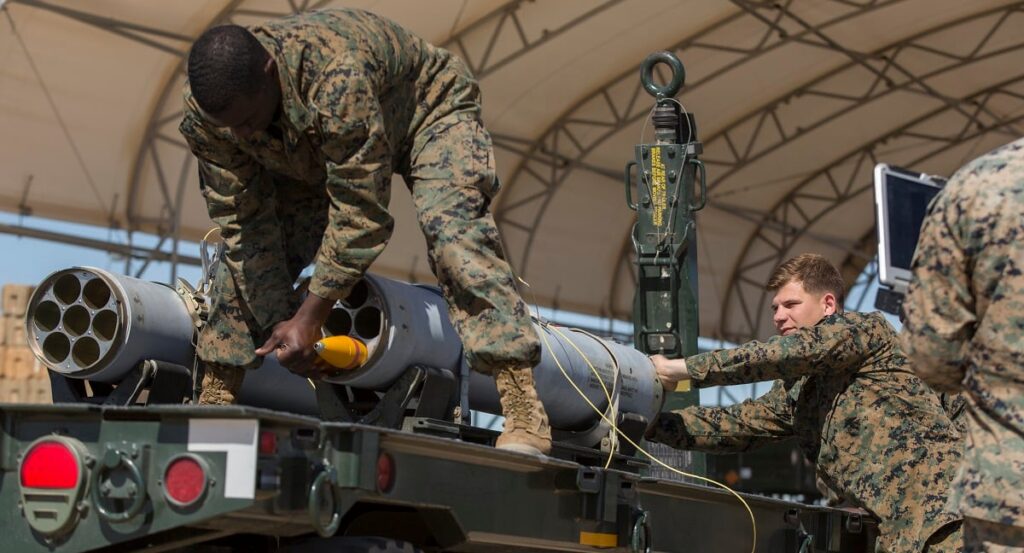
Every major defense contract signed in Washington is ultimately a decision made on behalf of American taxpayers — and the only officials with the power to approve or block that spending are the ones voters send to Congress. A new framework agreement between the Pentagon and defense contractor BAE Systems, covering up to 25,000 precision-guided weapon kits per year, puts that democratic accountability front and center: Congress must still authorize and fund the deal before a single dollar is committed.

A federal lawsuit filed this month cuts to a question that democratic institutions depend on answering: when the government commissions research using public funds, do citizens have the right to know why — and what will be done with the results?
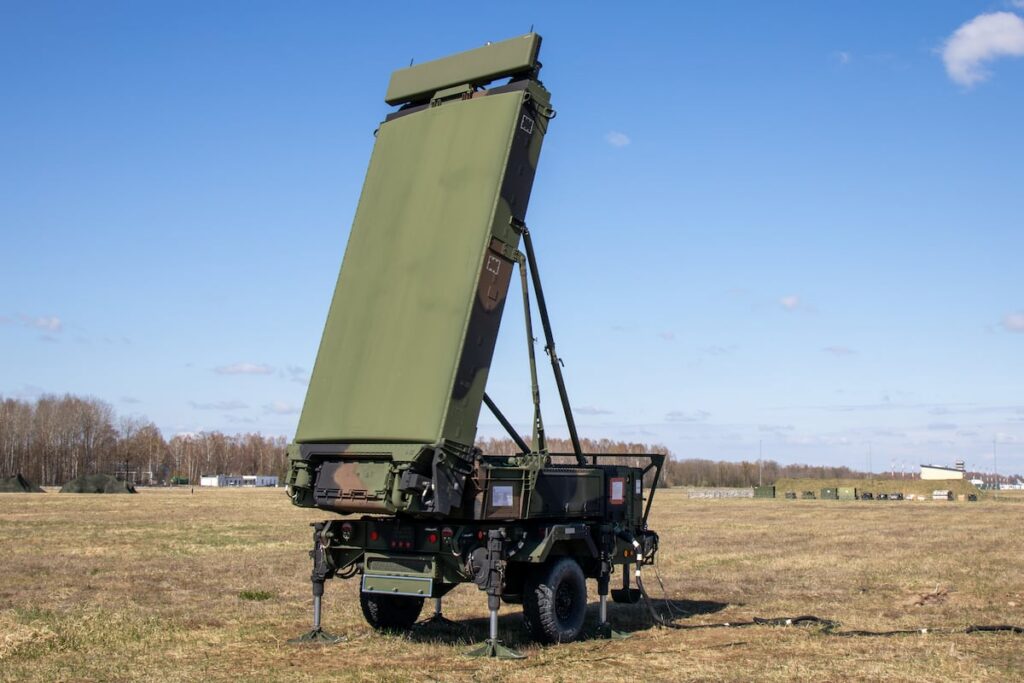
Every dollar the Pentagon spends on defense hardware is a dollar authorized by elected representatives — lawmakers who answer directly to American voters. When a weapons system earns enough battlefield credibility to attract interest from multiple military branches, the decisions that follow flow through a democratic process that citizens have every right to understand and scrutinize.

When Americans cast ballots for congressional representatives or a commander-in-chief, they are also casting a vote on whether wounded soldiers will survive their next deployment. The decisions lawmakers make about defense spending and military readiness — decisions voters directly influence — determine whether a U.S. Army medic in the Pacific has the blood, the technology, and the training needed to keep an injured soldier alive far from the nearest hospital.

When Americans cast their ballots, they are doing more than choosing candidates — they are deciding who controls the federal purse strings that fund the nation's defense. A recent milestone in military aviation makes that connection concrete: the Arizona National Guard is set to become the first state-level Guard unit in the country equipped with the Gray Eagle 25M drone, a next-generation unmanned aircraft system — and Congress made it possible.

When a government study reveals that elite soldiers face an 18% higher cancer risk because of the toxic environments they work in, and the Pentagon responds with new protective equipment, that is democratic accountability in action — public data driving public policy to protect the people who serve the public.
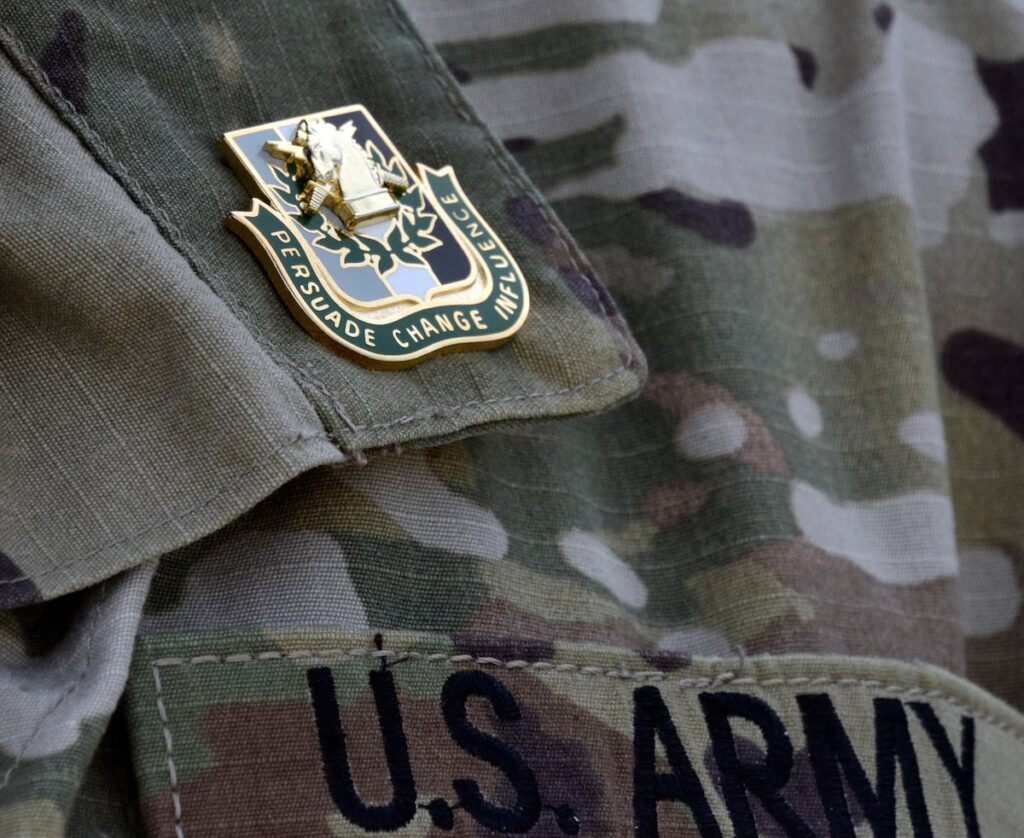
In an era when foreign adversaries are waging sophisticated campaigns to shape what American citizens see, read, and believe — including during elections — the U.S. military's ability to counter disinformation and information warfare has never mattered more. The Army's restructuring of its psychological operations forces reflects a growing recognition that the battle for democratic information environments is not theoretical; it is happening right now, at a pace that American institutions are struggling to match.