
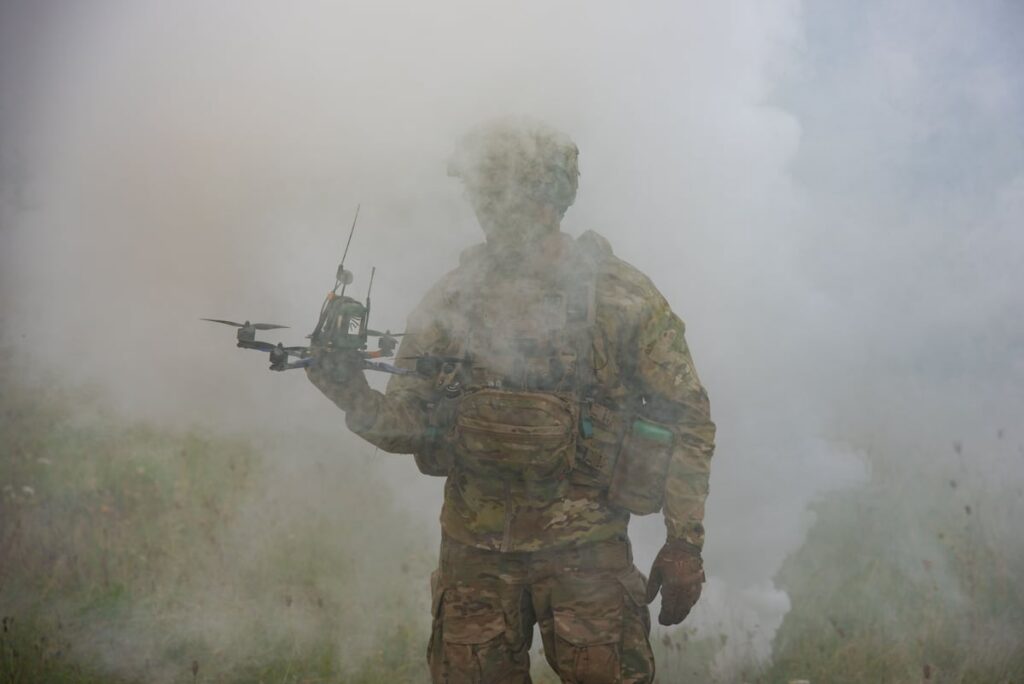
Every year, the Association of the United States Army convenes in Washington to chart the future of American military power — and the decisions made in those halls directly affect hundreds of thousands of service members who are also voters. This year's conference, held October 12–14, placed automation, unmanned systems, and rapid modernization front and center, but it also surfaced urgent questions about democratic accountability, military pay fairness, civilian oversight, and the voting rights of deployed troops that every American citizen deserves to understand.
Posts published in “Army”
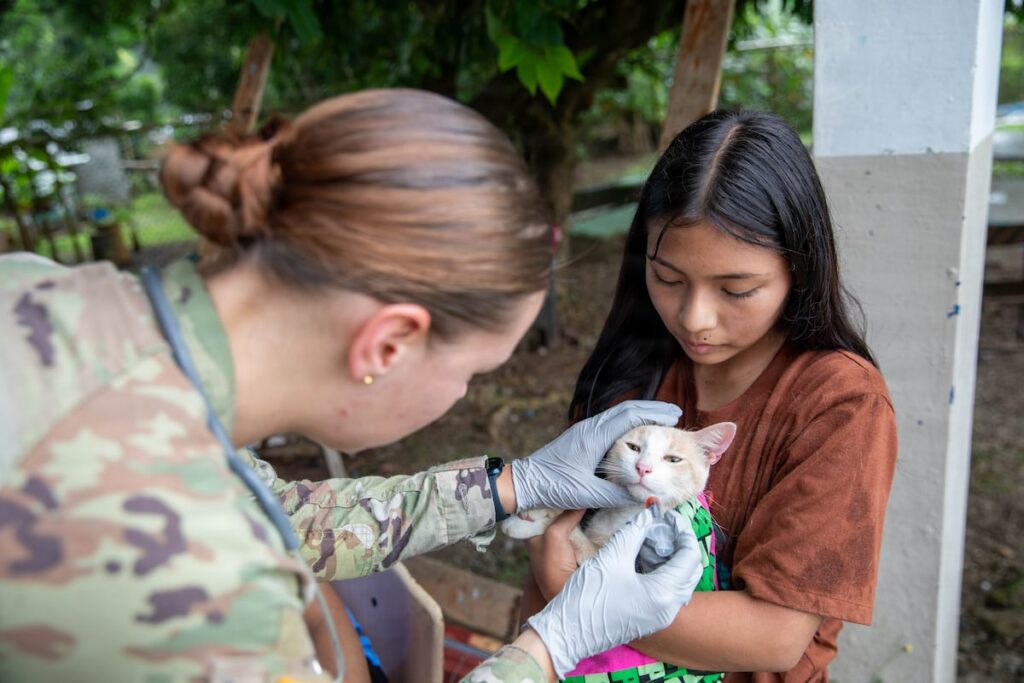
When American voters go to the polls, they're choosing leaders who will make decisions about where U.S. troops are deployed, what alliances are built, and how tax dollars are spent abroad. The quiet but rapidly expanding U.S. military presence in Panama is exactly the kind of policy decision that flows directly from those electoral choices — and it's one that most Americans know almost nothing about.
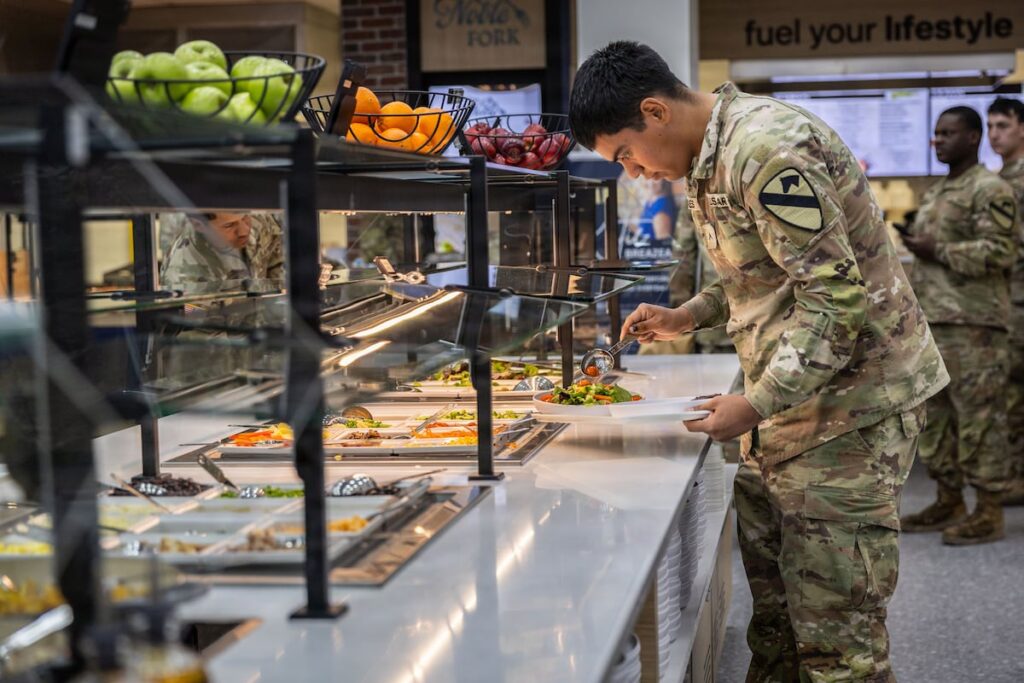
For the hundreds of thousands of active-duty service members stationed at U.S. Army bases across the country, daily life — including something as basic as when and where to eat — is shaped by decisions made far above their pay grade. Now, the Army is rethinking one of those decisions in a significant way, and early results suggest soldiers are welcoming the change.
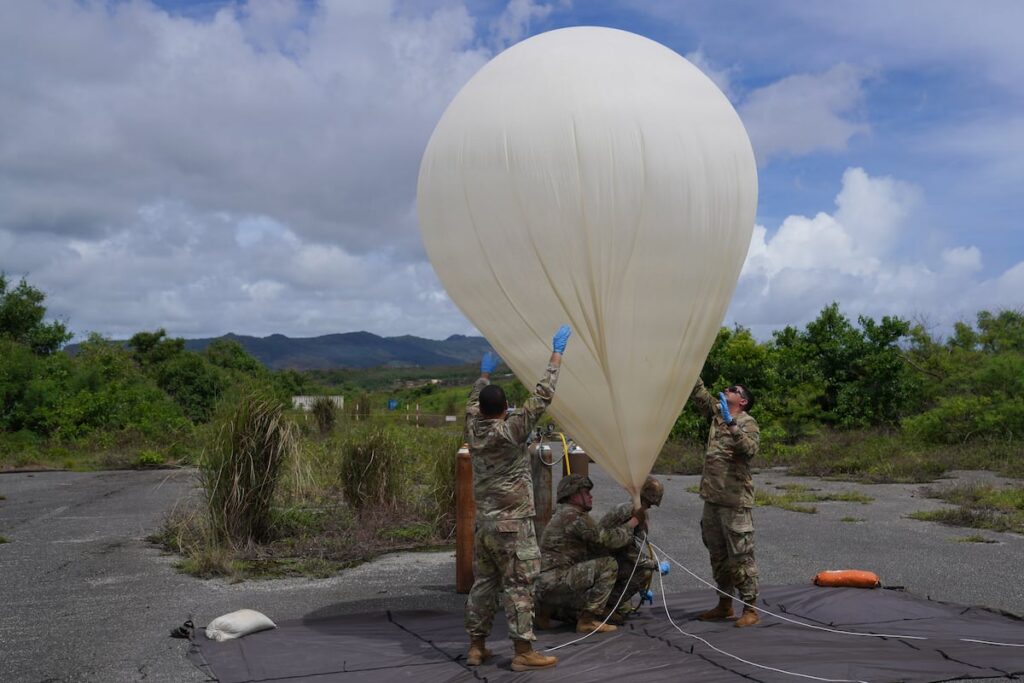
For the nearly 200,000 active-duty U.S. service members stationed overseas — many of whom rely on absentee ballots to exercise their right to vote — the question of where the military operates and what technologies it deploys carries direct democratic implications.
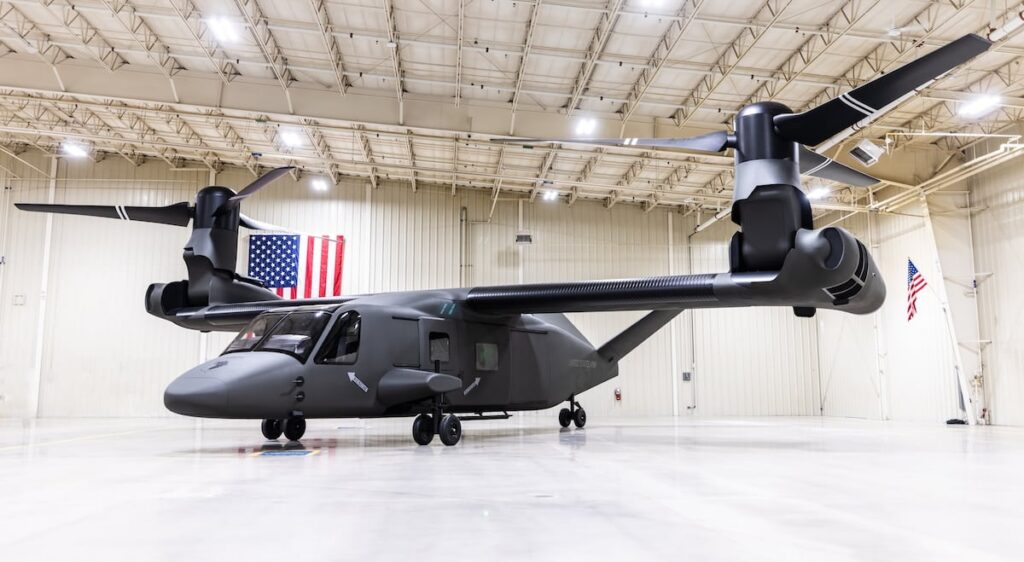
Few weapons programs illustrate the mechanics of American democratic accountability quite like the Army's MV-75 Cheyenne II — a next-generation aircraft whose development, funding battles, and timeline shifts are all ultimately shaped by decisions made in Congress on behalf of American taxpayers.

From battlefield technology to the stories of those who served, a series of recent video reports from Army Times captures the breadth of challenges and innovations shaping the modern U.S. military.

Every few years, the U.S. Army puts its best soldiers head-to-head in a grueling multi-day competition designed to find out who truly stands above the rest. In 2026, the answer was clear: the 75th Ranger Regiment.
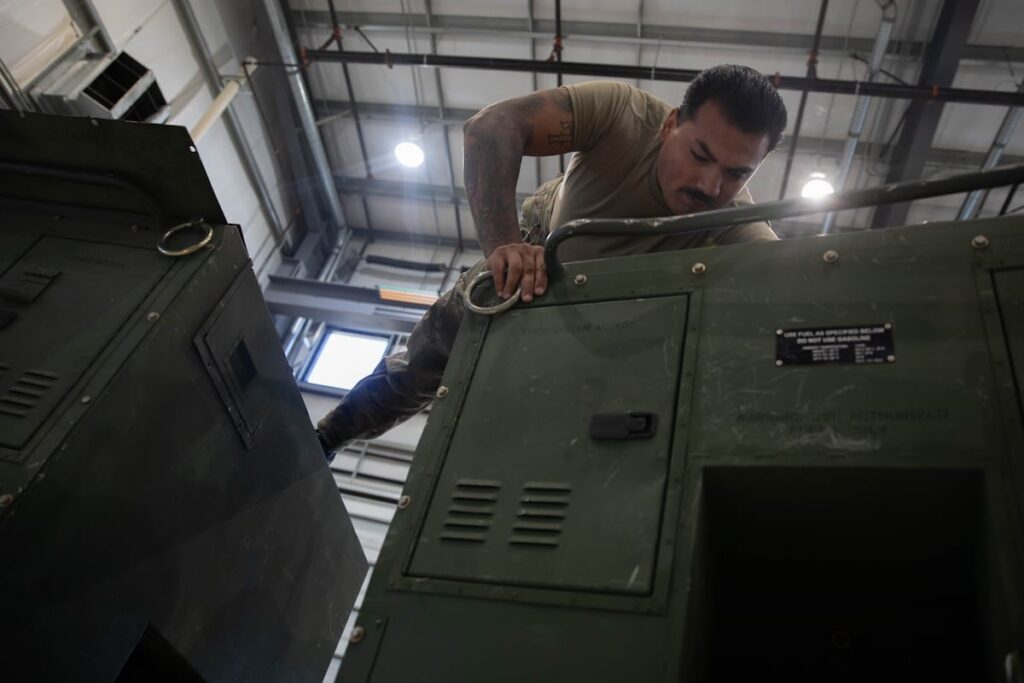
When the systems that are supposed to protect and support people break down — and stay broken for weeks or months — it raises a serious question: who is actually accountable? For thousands of U.S. Army soldiers living in barracks across the country, that question has been all too real, as failing heating and cooling systems have turned basic military housing into an endurance test.

When Americans cast their ballots for members of Congress and the President, they are — whether they realize it or not — making decisions about how trillions of dollars in federal spending get authorized, scrutinized, and spent. A new push by Defense Secretary Pete Hegseth to secure roughly $50 billion for autonomous weapons production puts that democratic chain of accountability squarely in the spotlight.

A high-profile defense event in Washington, D.C., turned chaotic Wednesday when a series of protesters interrupted a panel featuring Defense Secretary Pete Hegseth, shouting accusations and anti-war slogans before being removed by security.