The Debate Over Anti-Drunk-Driving Technology in US Vehicles
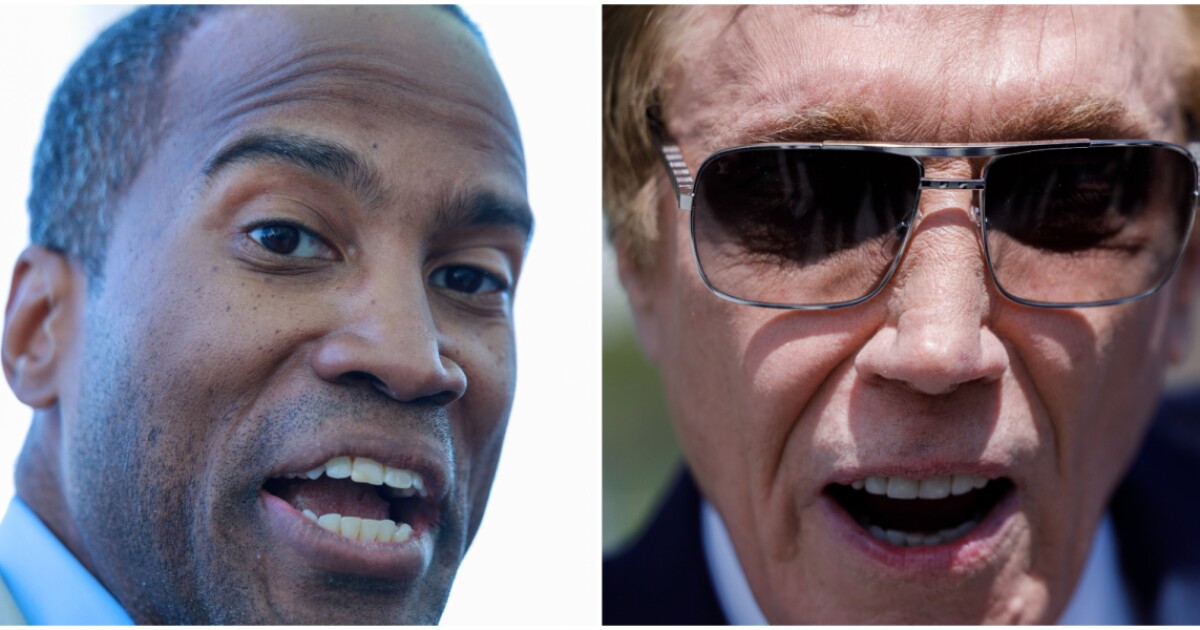
As technology advances, the debate over anti-drunk-driving features in US vehicles has taken center stage in the Michigan gubernatorial election, with Republican candidate John James at the heart of the controversy. Accusations from his rivals claim that James supported a ‘kill switch mandate’ for cars, leading to a heated exchange of words among the candidates.
The ‘Kill Switch’ Controversy
The proposed mandate, part of the 2021 Infrastructure Investment and Jobs Act, aims to equip new vehicles with technologies that can detect impairment and prevent individuals from driving under the influence. Advocates see this as a crucial step in reducing drunk driving fatalities, which claimed nearly 12,000 lives in the US in 2024. However, critics raise concerns about government overreach and the reliability of such technology.
Despite the accusations against James, he did not vote for the mandate when it was passed, as he was not yet in Congress. However, his decision to vote against an amendment that sought to defund the implementation of the mandate has sparked further controversy among his opponents.
James’ Defense and Actions
James defended his vote against the amendment, stating that he followed President Trump’s directive to support the funding bill without amendments. He later co-sponsored a bill that aimed to repeal the ‘kill switch’ mandate, indicating his opposition to the technology.
While James maintains that he does not support the mandate, his rivals continue to criticize his stance, accusing him of protecting a mandate he claims to oppose.
Looking Ahead
Despite the political back-and-forth, the technology required by the mandate may not be fully developed yet, raising questions about its feasibility and implementation. The contentious debate surrounding anti-drunk-driving features in vehicles highlights the broader discussion on safety, privacy, and government intervention in the automotive industry.
As the gubernatorial election in Michigan progresses, the stance on anti-drunk-driving technology remains a key issue for candidates and voters alike, shaping the discourse on road safety and technological advancements in the automotive sector.
Drunk driving continues to be a significant concern on roads across the United States, prompting lawmakers to push for new safety measures. In 2021, a law was passed that required the installation of anti-drunk-driving technology in all new vehicles. However, the implementation of this law seems to be facing obstacles, with no clear timeline in sight.
Key Points of the Law
The law mandated the National Highway Traffic Safety Administration to develop rules for automakers to incorporate passive anti-drunk-driving technology in new cars. This technology should be able to monitor driver performance accurately to detect impairment or detect if the driver’s blood alcohol concentration is above the legal limit. If impairment is detected, the system must intervene to prevent or limit the operation of the vehicle.
Challenges in Implementation
Despite the legal requirement, there has been no draft rule publicly released by the National Highway Traffic Safety Administration. The lack of commercially available technology that can accurately and passively detect alcohol impairment in drivers poses a significant challenge. Current suggestions include using cameras inside vehicles or air quality sensors to detect alcohol, but these methods are not yet deemed reliable for widespread use.
Technological Hurdles
The Driver Alcohol Detection System for Safety, a collaborative effort between the NHTSA and an auto industry group, has not produced devices that meet the necessary standards. The technology’s accuracy in detecting alcohol impairment near the legal limit remains a concern, with existing solutions falling short of the required detection accuracy level.
Mothers Against Drunk Driving (MADD), a key advocate for the anti-drunk-driving technology mandate, expressed deep disappointment in the lack of progress in implementing the law. The NHTSA has not provided a timeline for meeting the mandate, leaving the future of the anti-drunk-driving technology requirement uncertain.
As the push for safer roads continues, the challenges in developing and implementing reliable anti-drunk-driving technology highlight the complexity of addressing this critical issue. While the intention behind the law is clear, the road to effective implementation remains unclear.