ATLANTA — Georgia’s recent elections have marked a significant shift in the state’s political landscape, as voters elected the first Black woman governor in U.S. history, Keisha Lance Bottoms. Additionally, the Democratic Party achieved a sweeping victory, securing all statewide offices including attorney general and agriculture commissioner, unseating four Republican incumbents.
The election results suggest a potential Democratic takeover of the state House, with a Democratic lieutenant governor presiding over the Senate, further illustrating the shift in political power. State Sen. Josh McLaurin, D-Sandy Springs, won the lieutenant governor race against Republican Greg Dolezal by a substantial margin, as reported by the Georgia secretary of state’s office.
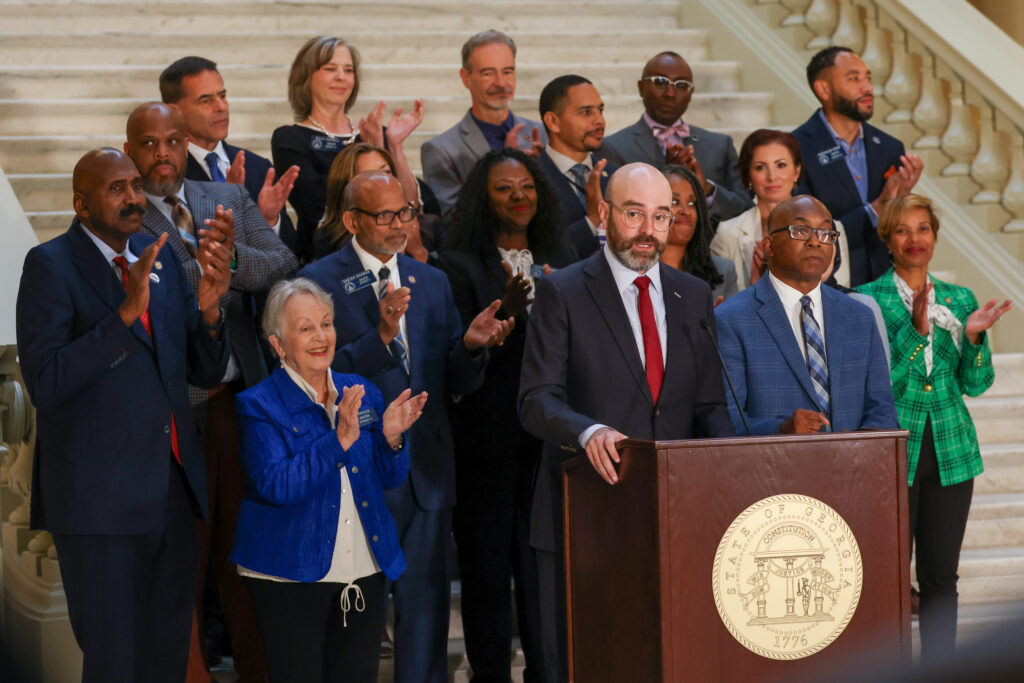
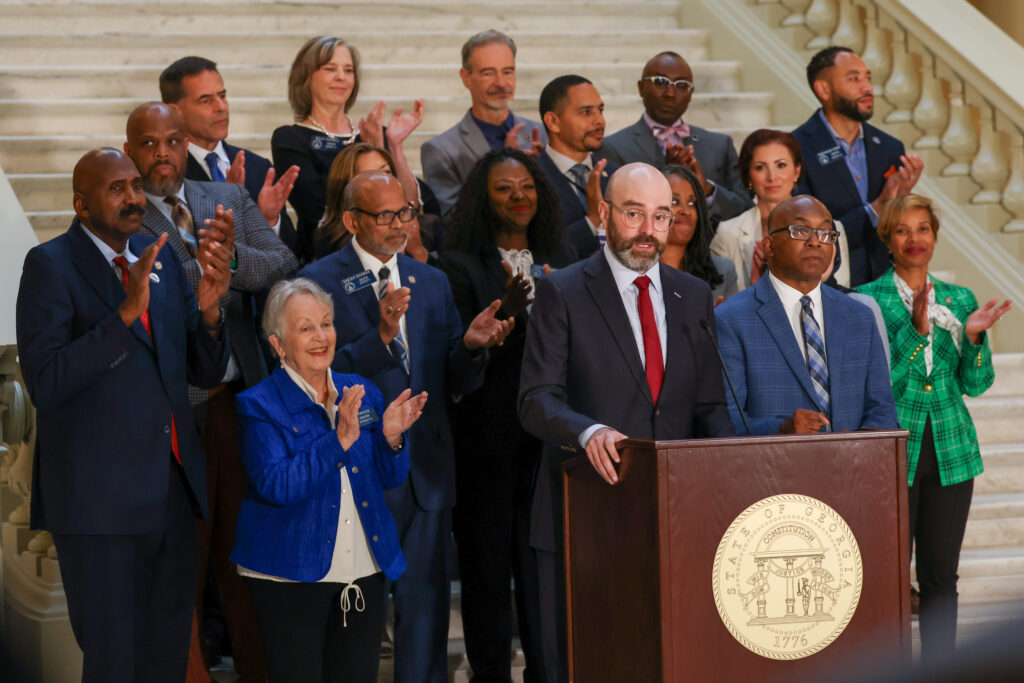
“What we saw was not just a blue wave. It was not just a blue tsunami. It was the complete and utter collapse of Donald Trump’s MAGA coalition,” McLaurin stated at a press conference, emphasizing voter fatigue with cultural and divisive issues.
During his tenure, Dolezal focused on issues such as immigration and transgender athletes, aligning with the Trump agenda. His campaign further emphasized a stance against Islamic influences, with Dolezal stating, “I’m fighting to ban Sharia law.” However, these positions did not resonate with voters.
Bentley Hudgins, a groundbreaking figure as the first openly transgender member elected to the Georgia General Assembly, expressed that the election highlighted a rejection of divisive politics. Hudgins won their race by a significant margin, advocating for LGBTQ+ rights, but also emphasizing economic issues such as affordable housing and healthcare.
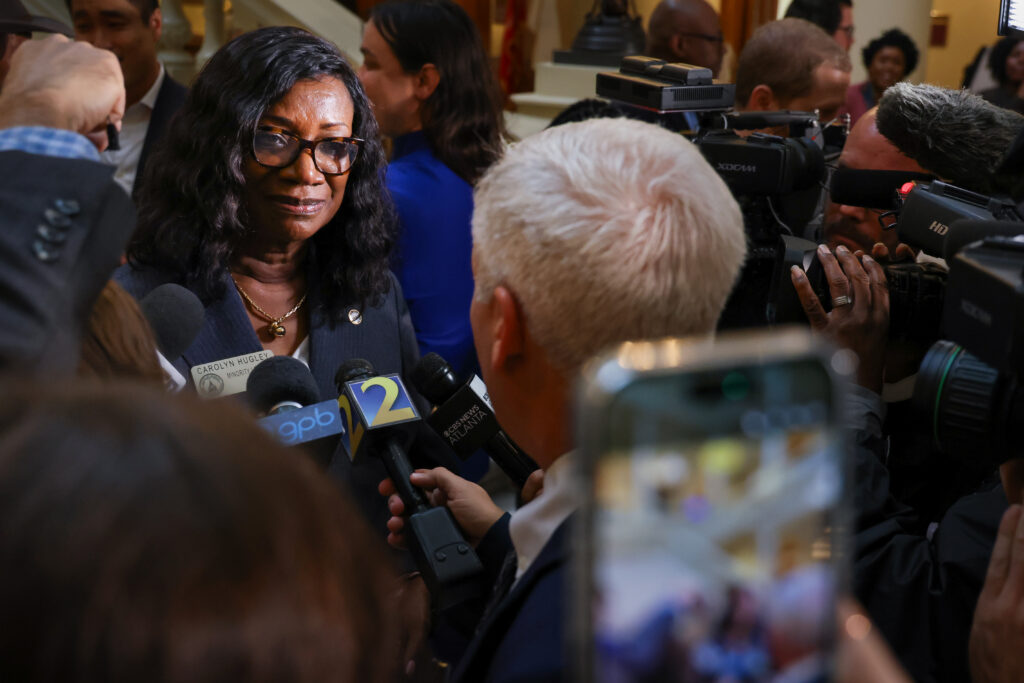
Democrats aim to address affordability issues with the support of Republicans. Rep. Carolyn Hugley, D-Columbus, minority leader, is contemplating a run for House Speaker, which would make her the first Black woman in that position if chosen by the Democratic majority.
Democrats, with newly elected officials, plan to expand Medicaid access, a priority for both Bottoms and McLaurin. However, with Republicans retaining a slim majority in the Senate, bipartisan cooperation will be essential. Despite historical challenges, the informal seating arrangements in Georgia’s legislative chambers foster dialogue and collaboration across party lines.
Governor Brian Kemp, facing the end of his term, emphasized learning from the election results, encouraging Republicans to return to conservative principles. Kemp dismissed rumors of a special session for redistricting, signaling a potential shift in approach for the Republican Party in Georgia.