Federal Judge Halts Deportation of Unaccompanied Minors Amid Legal Scrutiny
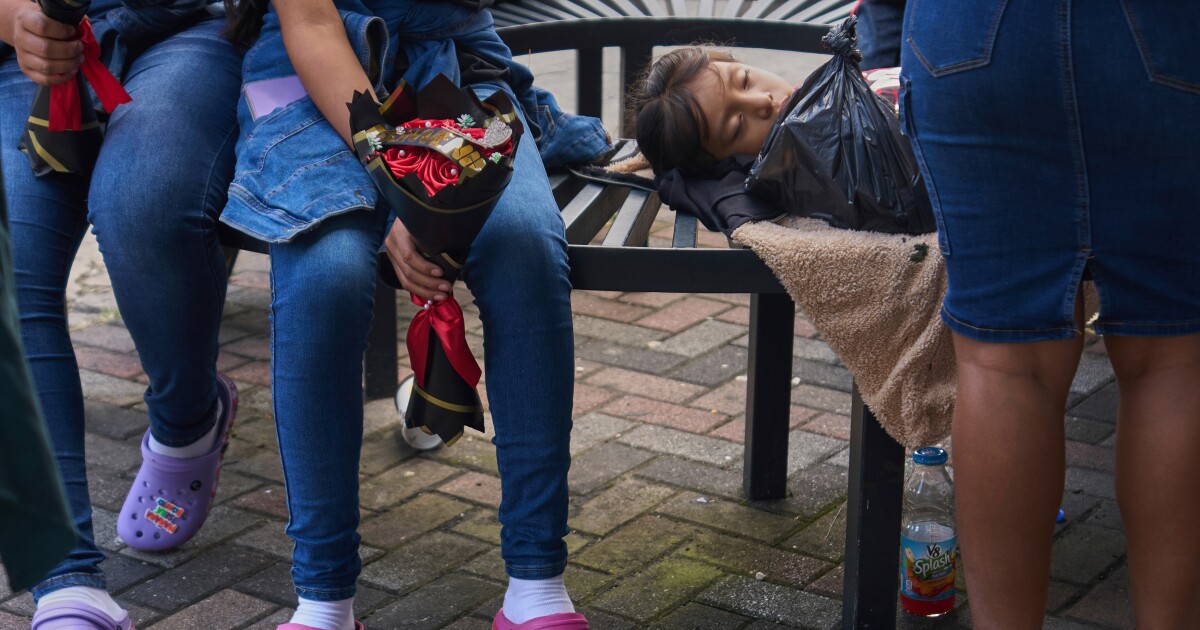
In a significant legal development, a federal judge in Arizona has temporarily halted the deportation of unaccompanied Guatemalan and Honduran minors who arrived in the United States without guardians. The decision, announced on Thursday, extends a restraining order initially granted over the Labor Day weekend, providing these children with a reprieve until at least September 26.
Judge Rosemary Márquez, presiding in Tucson, expressed serious concerns regarding the Trump administration’s efforts to deport the children without ensuring that their parents or legal guardians in Guatemala could take custody. Laura Belous, an attorney with the Florence Immigrant & Refugee Rights Project, which represents the minors, emphasized the children’s fears of returning to their home countries due to potential neglect, trafficking, and untreated medical conditions. The legal team argues that the government’s actions contravene protections designed for migrant children.
The lawsuit, filed in Arizona, advocates for 57 Guatemalan children and 12 Honduran minors, all aged between 3 and 17. It demands that these children be allowed to present their cases before an immigration judge, receive legal counsel, and be placed in the least restrictive environment conducive to their best interests.
Legal Battles in Washington, D.C. and Arizona
This legal challenge is part of a broader effort to counter the Trump administration’s Labor Day weekend initiative to repatriate unaccompanied Guatemalan children residing in U.S. shelters or foster care. Concurrently, a similar lawsuit is underway in Washington, D.C., aiming to prevent these deportations.
On August 30, the administration issued directives for shelters to prepare these children for immediate repatriation. The children were on the brink of being flown back to Guatemala, with many boarding planes in Texas on August 31.
During a recent hearing, Assistant U.S. Attorney Denise Ann Faulk noted that the repatriation efforts were diplomatically negotiated with Guatemala to avoid prolonged prohibitions on re-entry into the U.S. Most of the affected children are currently under the care of the U.S. Health and Human Services Department’s Office of Refugee Resettlement in the Phoenix and Tucson regions.
Immigration Patterns and Concerns
The influx of unaccompanied minors crossing the U.S. border reached a peak in 2022, with over 152,000 documented cases. However, recent data indicates a significant decline in illegal crossings, marking the lowest levels in six decades. Guatemalans constituted 32% of individuals in U.S. holding facilities last year, followed by Hondurans, Mexicans, and Salvadorans.
A 2008 law mandates that unaccompanied minors must appear before an immigration judge, who assesses their eligibility for asylum. Exceptions to this rule apply only to children from Canada and Mexico. Typically, these minors are released to family members while their cases are pending.
The Arizona lawsuit has been amended to include additional children from Honduras and Guatemala who have recently entered government custody. During the proceedings, Judge Márquez voiced her apprehension over the lack of coordination with the children’s families and the insufficient notice given to legal representatives about the deportation plans.
Judge Márquez, appointed by former President Barack Obama in 2014, has a history of volunteering with the Florence Immigrant & Refugee Rights Project. Her concerns highlight the complexities of immigration enforcement and the need for careful judicial review in these sensitive cases.