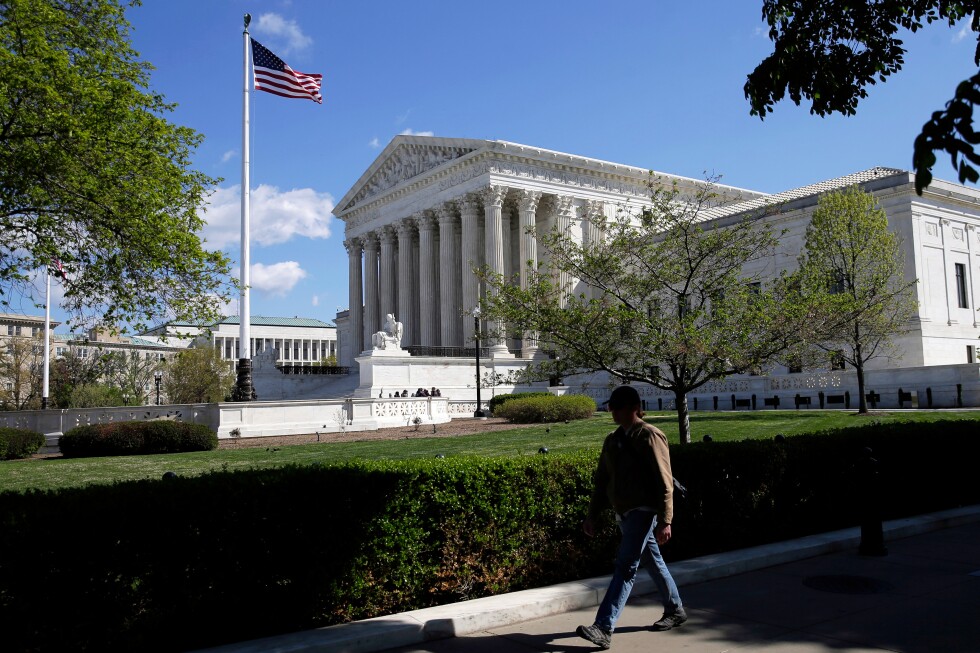
In a significant development, the Supreme Court has granted a procedural victory to oil and gas firms in ongoing legal battles over environmental damage in Louisiana. This decision comes as a relief for companies like Chevron, which were previously ordered by a state jury to pay substantial reparations for coastal damage.
The high court’s decision, delivered unanimously, allows these companies another opportunity to contest the cases in federal court. The original state court verdict had mandated Chevron to pay over $740 million for environmental restoration efforts. The companies, supported by the former Trump administration, argued that their activities were federally directed during World War II to boost aviation gasoline supplies.
Justice Clarence Thomas emphasized that the lawsuit is linked to federal wartime initiatives, affirming the jurisdiction of federal courts in such matters. This perspective aligns with long-standing congressional provisions permitting federal court hearings for cases involving government contractors.
The environmental impact in question involves significant coastal land erosion, with more than 2,000 square miles (5,180 square kilometers) of land lost over the past century, as reported by the U.S. Geological Survey. The state’s coastal protection agency warns of potential future losses of up to 3,000 square miles (7,770 square kilometers) due to ongoing threats, including oil and gas infrastructure (source).
Despite the Supreme Court’s decision, local leaders in Louisiana remain resolute. John Carmouche, a lawyer representing these parishes, stated, “Simply changing where the case will be heard, as has happened, will not deter our efforts to have Big Oil held accountable for the damages they caused and the enormous restoration they owe the people of Louisiana.”
Chevron, maintaining its stance, welcomed the opportunity for federal litigation, asserting that the accusations pertain to federally overseen operations. The company refutes allegations of contributing to land loss and argues against the retroactive application of environmental regulations established after the activities in question.
The legal proceedings are part of a broader series of lawsuits initiated in 2013 against major oil firms like Chevron and Exxon. The Supreme Court’s ruling overturns a previous decision by the U.S. Court of Appeals for the Fifth Circuit, impacting 11 of the 42 cases filed.
Justice Samuel Alito abstained from participating in the case due to his financial interests in ConocoPhillips, consistent with his previous recusals in similar scenarios.