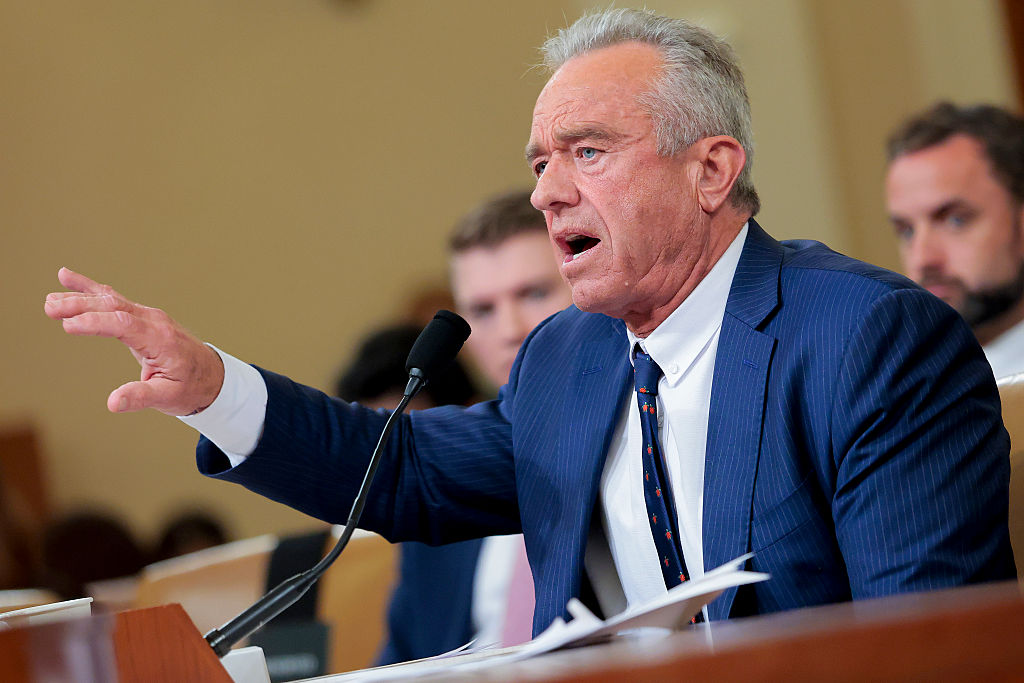
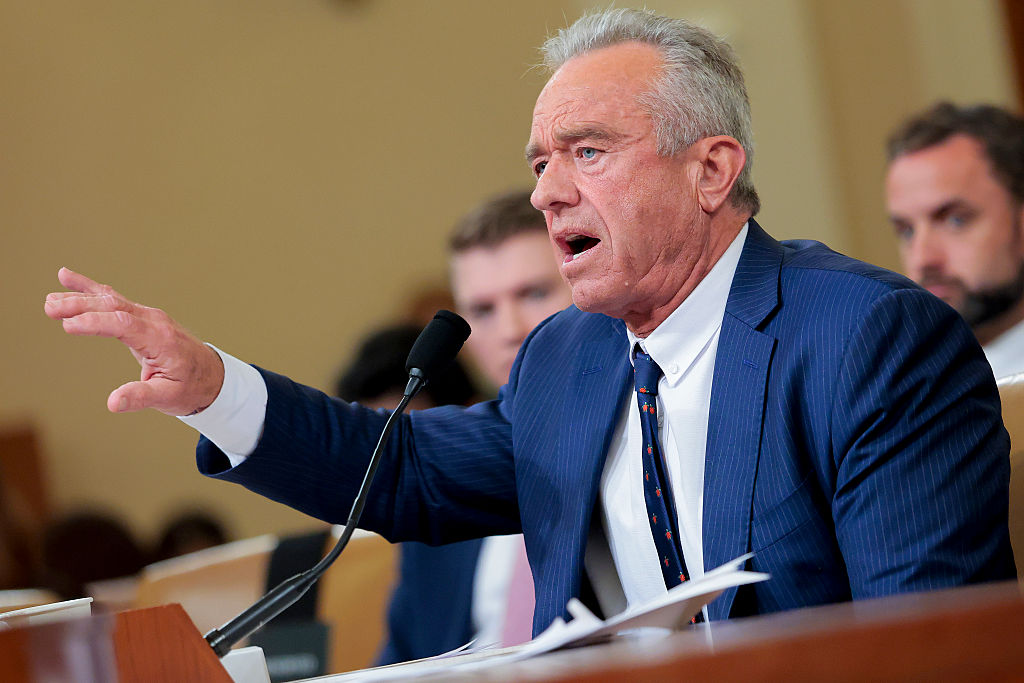
In a political climate charged with racial sensitivities, recent statements by Robert F. Kennedy Jr., the Health and Human Services Secretary, have sparked significant controversy. Accusations of racial insensitivity surfaced following his testimony before the House Ways and Means Committee, where his comments about Black children and ADHD medication were brought to the forefront.
RFK Jr., serving under the Trump administration, was questioned by Rep. Terri Sewell (D-Ala.) about a prior statement suggesting that Black children on ADHD medication should be “re-parented.” During the hearing, Sewell referenced a 2024 podcast interview where Kennedy allegedly stated, “Every Black kid is now just standard put on Adderall, SSRIs, benzos, which are known to induce violence,” advocating for their removal from their homes for re-parenting. In response to her questioning, Kennedy denied making such statements, demanding to hear a recording.
Sewell pressed further, seeking clarity on whether Kennedy had any personal experience in re-parenting or parenting a Black child. Kennedy’s reply, “I don’t even know what that phrase means, and I doubt that I said it,” did not satisfy Sewell, who insisted, “You absolutely said it.”
This exchange has intensified the scrutiny of Kennedy’s previous remarks and policies. In 2024, Kennedy outlined a vision for wellness farms and rehabilitation facilities aimed at providing free access to all Americans. He emphasized removing children from environments with psychiatric drugs, advocating for communities devoid of technology where interpersonal communication is prioritized.
The National Library of Medicine provides data contradicting Kennedy’s claims, indicating that Black children are less likely to be diagnosed with ADHD, less likely to receive medication, and more likely to discontinue use compared to white children. This raises questions about the basis of Kennedy’s statements and the implications of his proposed solutions.
RFK Jr.’s track record on racial issues in health policies has been contentious. He previously suggested that Black individuals did not require the same vaccination schedules as whites, attributing this to perceived differences in immune systems, and has made comments regarding the role of education in overcoming racism.
The ongoing debate underscores the challenges faced by public officials in addressing racial issues within health policy, with critics calling for more informed and sensitive approaches to such critical matters.
SEE ALSO:
Bodycam Shows St. Louis Police Lied About Fatal Shooting Of Black Teen