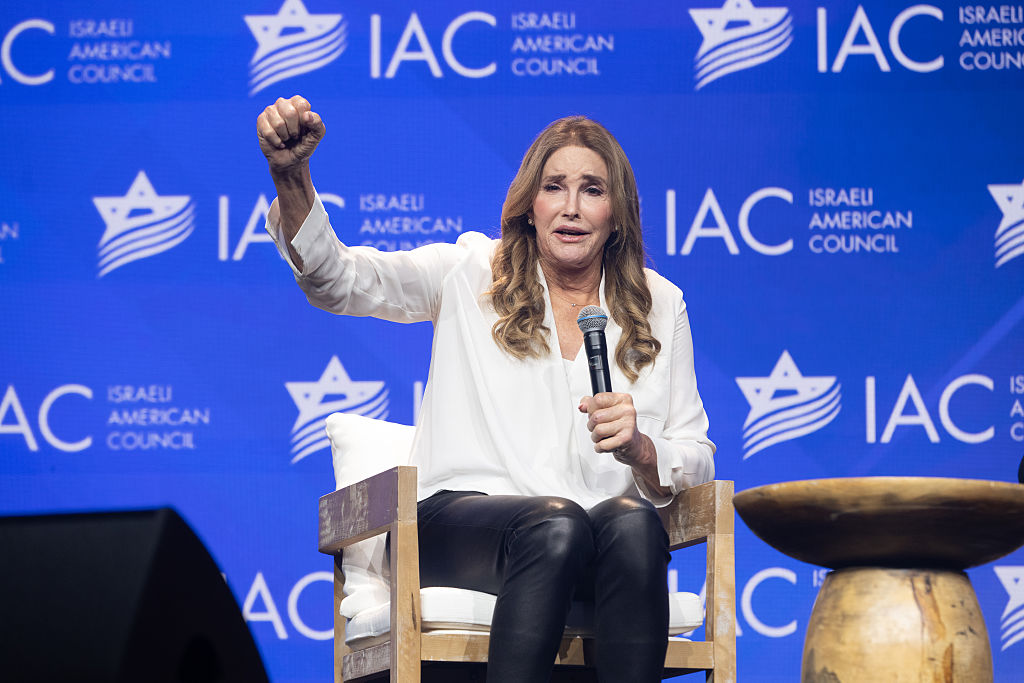
In a striking revelation, Caitlyn Jenner’s passport issue has brought to light a complex web of identity, privilege, and politics. Despite receiving a passport with the incorrect gender marker, Jenner remains a vocal supporter of Trump. This situation encapsulates a broader conversation about identity and power dynamics.
A recent Newsweek report highlighted Jenner’s plea for Trump’s assistance regarding her passport marked “M” for male, while affirming her admiration for him. This paradoxical stance underscores a deeper narrative.
The Politics of Identity and Entitlement
Jenner’s predicament transcends mere hypocrisy; it illustrates a narrative of entitlement. Her position reflects a belief that one can navigate a marginalized identity while clinging to the privileges of the power structures that defined them. For years, Jenner has epitomized a conservative trans political stance, often distancing herself from the struggles of the most vulnerable trans individuals.
Highlighting this, Jenner has opposed trans women in women’s sports and even labeled herself a “hypocrite” for accepting a prestigious award while advocating against trans inclusion in sports. This contradiction reveals the complexities of her political alignment.
Understanding Systemic Oppression
Oppression is a systemic issue, not a series of isolated incidents. The State Department’s passport policy mandates gender markers corresponding to birth sex, a policy enabled by a Supreme Court decision allowing enforcement amidst ongoing litigation.
Jenner’s desire to retain privileges while embracing her trans identity illustrates a deeper truth. Transitioning does not automatically dismantle the power dynamics one was socialized within, particularly if those dynamics were rooted in white male privilege.
The Broader Implications
This situation serves as a cautionary tale about the expectations of privilege. Recognizing privilege’s role in shaping one’s perception of harm is crucial. Jenner’s reaction suggests a misunderstanding of systemic violence as a personal grievance rather than a structural issue.
The narrative extends beyond Jenner’s personal struggle, emphasizing the importance of understanding trans experiences through a lens not dominated by white trans visibility. This distorted lens often marginalizes Black trans individuals, who face unique challenges compounded by racial discrimination.
Advocates for Trans Equality emphasize the significance of accurate identification for safety, noting that incorrect IDs can lead to discrimination and violence. The ACLU’s challenge to the passport policy further highlights these risks.
Ultimately, Jenner’s situation is a microcosm of a broader discourse on identity, privilege, and systemic oppression. It invites a reevaluation of how privilege influences one’s understanding of trans issues, urging a more nuanced exploration of trans lives beyond the lens of white trans narratives.
SEE ALSO:
The Supreme Court’s Passport Decision Isn’t About Gender
What ‘Down Low’ Discourse Keeps Us From Seeing About Harmful Men