Arizona’s Proposition 320 Sparks Debate on School Spending and Teacher Salaries
As Arizona voters prepare to decide on Proposition 320, a heated debate has emerged regarding its potential impact on school spending and teacher salaries. The proposal, if passed, would mandate that schools allocate at least 60% of their budgets to direct educational expenses. Advocates argue this will lead to increased teacher pay, while opponents warn of potential negative effects on overall education quality.
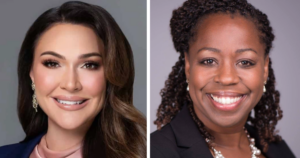
Chris Thomas, head of education policy at the Goldwater Institute, explained during a recent debate that the measure aims to boost spending on teachers, aides, instructional supplies, and school activities. Currently, Arizona schools allocate an average of just 52.1% of their budgets to instructional expenses, the lowest in two decades according to the Auditor General’s Office.
Thomas emphasized that schools not meeting the 60% threshold would face financial penalties, potentially losing state aid. However, districts making steady progress towards the goal, such as by increasing their instructional spending by half a cent each year, would avoid penalties.
Opposing the proposition, Jimmy Arwood from Arizonans for Quality Education highlighted the broader implications of the proposed spending shift. He noted that the “everything else” category includes essential services like speech pathology, counseling, and transportation, which could face cuts under the new mandate.
“If that bus isn’t picking them up, those kids aren’t going to school,” Arwood pointed out, underscoring the critical role of support services in student success.
Proposition 320 would apply universally to schools in Pima, Pinal, and Maricopa counties, but only to larger districts in other counties. Thomas suggested this distinction may be based on urban districts’ potential for cost-saving measures such as route compression for buses.
The debate also touched on the broader issue of school funding in Arizona. Arwood pointed out that the state’s per-pupil funding, at $11,987, lags behind the national average of $17,873, according to the National Education Association. He argued that increased state aid, rather than reallocation, would more effectively raise teacher salaries.
Thomas countered that the current funding system allows for voter decisions on budget allocations, suggesting that dedicating 60% to instruction would naturally increase teacher pay. “Just do the math,” he said. “Teachers will get more money.”
Arwood cautioned that focusing solely on classroom expenses overlooks the comprehensive role schools play in student development. He highlighted the increasing demand for special education services, which are not fully accounted for under the proposed spending rules.
Additionally, the discussion addressed the financial burden of maintaining school facilities. Thomas criticized some districts for inefficient use of resources, noting disparities such as Chandler Unified School District operating fewer schools than Tucson Unified School District despite having more students. He suggested closing and selling underutilized schools to optimize spending.
Arwood acknowledged the challenges of school closures, emphasizing the need for responsible decision-making that considers community and student impacts.
Finally, Arwood highlighted evolving priorities, such as school safety, that have shifted budget allocations over the years. “School safety is something 20 years ago we didn’t spend nearly as much as we do today,” he noted, illustrating the complex factors influencing school budgets.