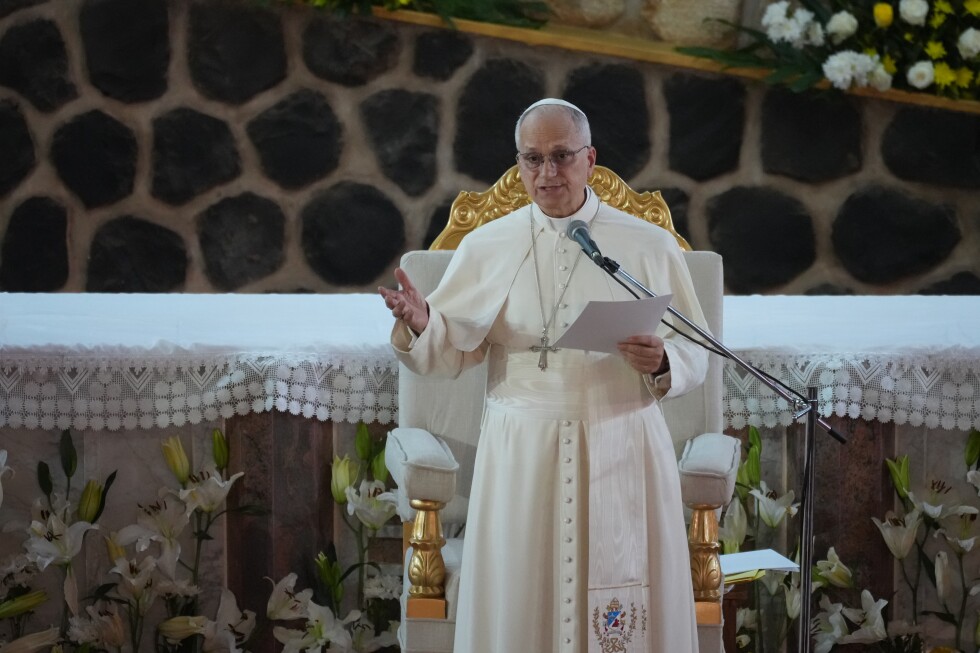
YAOUNDE, Cameroon (AP) — In a bid to foster peace in a region ravaged by prolonged conflict, Pope Leo XIV touched down in the northwestern Cameroonian city of Bamenda on Thursday. The city has been a focal point of ongoing separatist violence that has led to significant loss of life over the past several years.
The pontiff’s visit is part of his African tour and aims to support interfaith dialogues striving to resolve the conflict and help its numerous affected individuals.
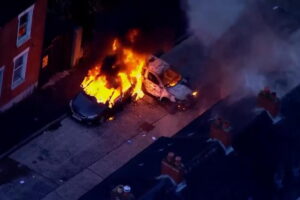
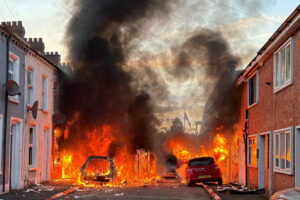
Hostilities in the region have escalated, with government forces clashing with separatist militias pushing for independence from Cameroon, which is comprised of eight French-speaking and two English-speaking regions.
The Roots of the Conflict
The unrest in Cameroon’s western regions traces back to 2017 when English-speaking separatists began a campaign to form a separate state, distinct from the French-speaking majority. This conflict has resulted in over 6,000 deaths and displaced more than 600,000 people.
The discord has historical roots, stemming from the post-World War I division of Cameroon between British and French colonial powers. Upon gaining independence in 1960-1961, these territories merged into a federal state, with the French-speaking faction dominating the landscape and population.
The English-speaking minority, representing about 20% of Cameroon’s estimated 30 million inhabitants, claims marginalization by the French-majority government led by President Paul Biya, who has been in power for over four decades.
Tensions peaked in 2016 when attempts were made to enforce the use of French in schools and courts in English-speaking regions, sparking protests that were harshly suppressed by security forces.
Challenges with Separatist Leadership
Various separatist factions are led by figures residing overseas, which complicates peace efforts as these leaders can easily coordinate fundraising and directives from abroad, despite being blacklisted by Cameroonian authorities.
In September 2024, Lucas Ayaba Cho, the leader of the Ambazonia Defense Forces, faced charges in Norway for incitement to commit crimes against humanity, though he denied the allegations.
In the U.S., a federal jury convicted two individuals of conspiracy for providing support to separatist fighters last December. Additionally, Belgium arrested four individuals in March during investigations into the financing of the separatist movement by Belgian residents.
Government’s Approach to Resolving the Crisis
The Cameroonian government has initiated several measures to quell the violence, though a concrete resolution remains elusive. A national dialogue in 2019 resulted in the northwest and southwest regions being granted special status, with proposals on governance, justice, and education, yet many remain unfulfilled.
Efforts such as the disarmament, demobilization, and reintegration program have been criticized for their lack of transparency and limited impact. Civil society leader Colbert Gwain Fulai notes that the government views the conflict as a minor disturbance by a few misguided groups, focusing on a military rather than a political solution.
Meanwhile, separatist leaders are reportedly doubling down, betting on the lack of sustained peace initiatives, with some forming alliances with Nigerian separatists aiming for a similar independent state.
The Pope’s Visit: Reactions
The pope’s peace meeting has stirred mixed reactions among locals and leaders. While some see it as a hopeful step towards peace, others remain skeptical given the rarity of such dialogues; the last significant meeting was in 2022.
Lucas Asu of the Ambazonia Governing Council expressed commitment to peaceful negotiations and criticized the government for avoiding talks. Cameroonian authorities have not commented on these accusations.
Morine Ngum, a widow whose husband died as a separatist fighter, expressed cynicism about the government’s intentions, stating, “I see them (the government) using this crisis as an advantage. It brings them more profit. They just want to use this pope coming to cover up things.”