Michigan Dam on Verge of Collapse Due to Neglect
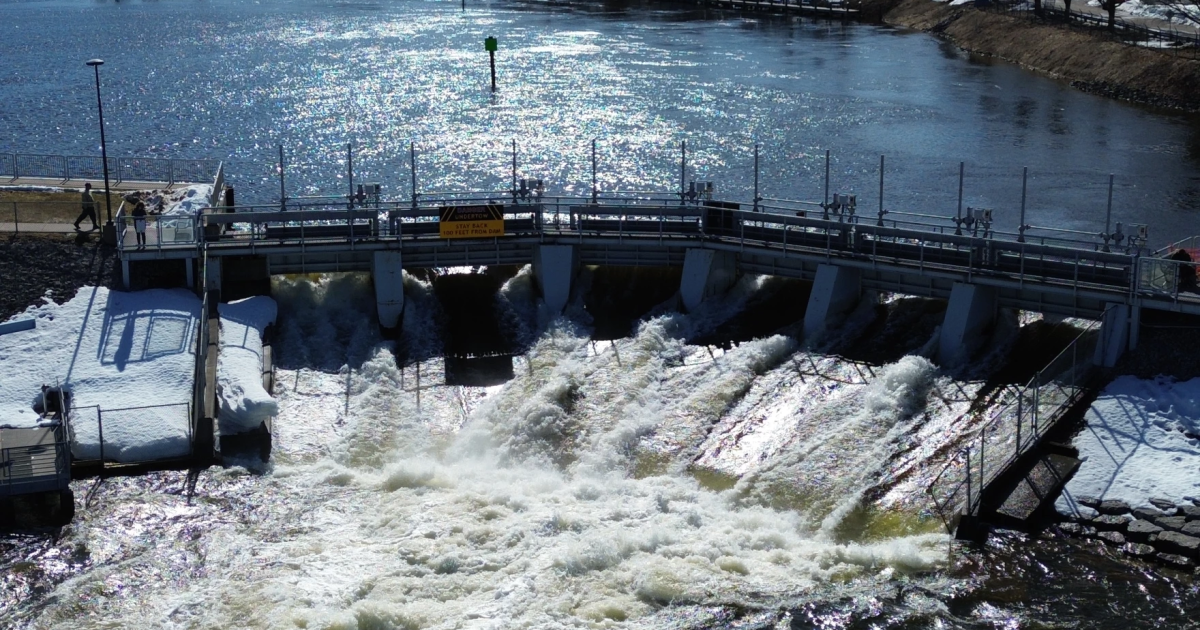
Local, state, and federal officials have been aware of the looming dangers posed by the Cheboygan Lock and Dam for years, as revealed by records. Despite this knowledge, they failed to compel the private owners to repair the dysfunctional hydro plant linked to the publicly-owned dam, which plays a crucial role in passing floodwaters downstream.
The property, previously a Charmin toilet paper mill, has changed ownership multiple times over the years, leading to its current state of disrepair. The current owner, Hom Paper XI, LLC, led by former NFL linebacker Thomas Homco, has not responded to inquiries regarding the situation.
Efforts are now underway, with taxpayer support, to urgently restore the plant before the dam reaches a critical point of failure, potentially endangering downtown Cheboygan.
Concerns and Regulatory Failures
Records from the Federal Energy Regulatory Commission (FERC) indicate that warning letters were sent to various owners of the dam and plant over the years, highlighting critical issues such as missing inspection records and malfunctioning equipment. These deficiencies jeopardize the dam’s ability to manage floodwaters effectively.
Despite repeated warnings and safety violations reported by the Occupational Safety and Health Administration (OSHA), the plant continued to face delays in necessary repairs. State officials, while aware of the situation, indicated that enforcement was not within their jurisdiction.
Complex Oversight Challenges
Celeste Miller, a spokesperson for FERC, emphasized the agency’s commitment to coordinating with partners to ensure the safety of the community and the environment during the ongoing crisis in Cheboygan. The current predicament echoes the failures of privately-owned Midland dams six years ago, underscoring the need for regulatory reforms.
State Senator John Damoose expressed concerns about the broader implications of such neglect, stressing the need for proactive measures to prevent similar incidents statewide. Governor Gretchen Whitmer acknowledged the intricate nature of the issue, citing a mix of privately and publicly owned dams complicating the regulatory landscape.
Historical Background of the Dam
The Cheboygan complex, once owned by utilities for power generation, transitioned to public ownership in 1967. Despite no longer producing power, the dam’s role in creating the Cheboygan River as part of the Inland Waterway remained significant.
Procter & Gamble briefly operated the hydroelectric side in the 1980s before shutting it down in 1990, leading to subsequent ownership changes and repair demands from FERC. The complex’s deteriorating state underscores the longstanding challenges faced by aging infrastructure and the need for proactive maintenance to prevent catastrophic failures.
In the heart of Cheboygan, Michigan, a hydroelectric power plant stands idle following a devastating fire. This plant, part of a dam complex, played a crucial role in managing water levels in the Cheboygan River, accounting for about 30% of the river’s flow to Lake Huron. With the plant out of commission, state officials have voiced concerns about potential water level fluctuations that could affect boaters and residents in the area.
The ownership of the plant has been a point of contention, with a series of ownership changes complicating matters. Federal regulators, including the Federal Energy Regulatory Commission (FERC), have been pressing the various owners to address unresolved safety issues at the plant. After a flurry of legal disputes, Hom Paper emerged as the rightful owner in the eyes of FERC, leading to an ultimatum to either restore the plant to working condition or risk losing the license exemption for hydropower generation.
In a bid to revive the plant, Hom Paper found a potential buyer in HydroMine Cheboygan LLC, a Wyoming-based corporation led by Roy Davis. Davis, known as a “blue-collar mechanic that fixes things,” has successfully restarted power operations at other aging dams in Michigan. Negotiations between Hom Paper and HydroMine are underway, with plans to repower the plant in collaboration with Consumers Energy and the Department of Natural Resources.
Despite these efforts, the plant remains nonfunctional, posing a risk to the dam’s ability to manage floodwater effectively. Residents in the flood zone have been advised to prepare for evacuation in case of a dam failure. As restoration efforts continue, the importance of preserving dam integrity in northern Michigan has become a focal point for local businesses and community members.
Looking ahead, the involvement of Consumers Energy and the potential revival of the hydro plant offer hope for the region’s energy infrastructure. However, the debate over ownership and management of the plant lingers, with some advocating for public intervention to prevent future crises. As the situation unfolds, the community remains vigilant, preparing for the uncertain future of the Cheboygan hydroelectric plant.