New World Screwworm Cases Confirmed in Arizona, Prompting Precautions
The emergence of New World screwworm in Arizona has raised alarms, with nine cases confirmed by the Arizona Department of Agriculture. Meanwhile, the USDA reports a total of 165 cases nationwide. In response to the threat, California has imposed travel restrictions for Arizona residents traveling with pets.
To gain insights into managing this situation, Dr. Mindy Bemmerl, director of medicine at the Arizona Humane Society, shared the steps being taken to safeguard local pets. “We routinely treat all animals that come in with a flea and tick preventative,” explained Dr. Bemmerl, emphasizing the importance of thorough examinations for any concerns, especially those related to wounds with maggots.
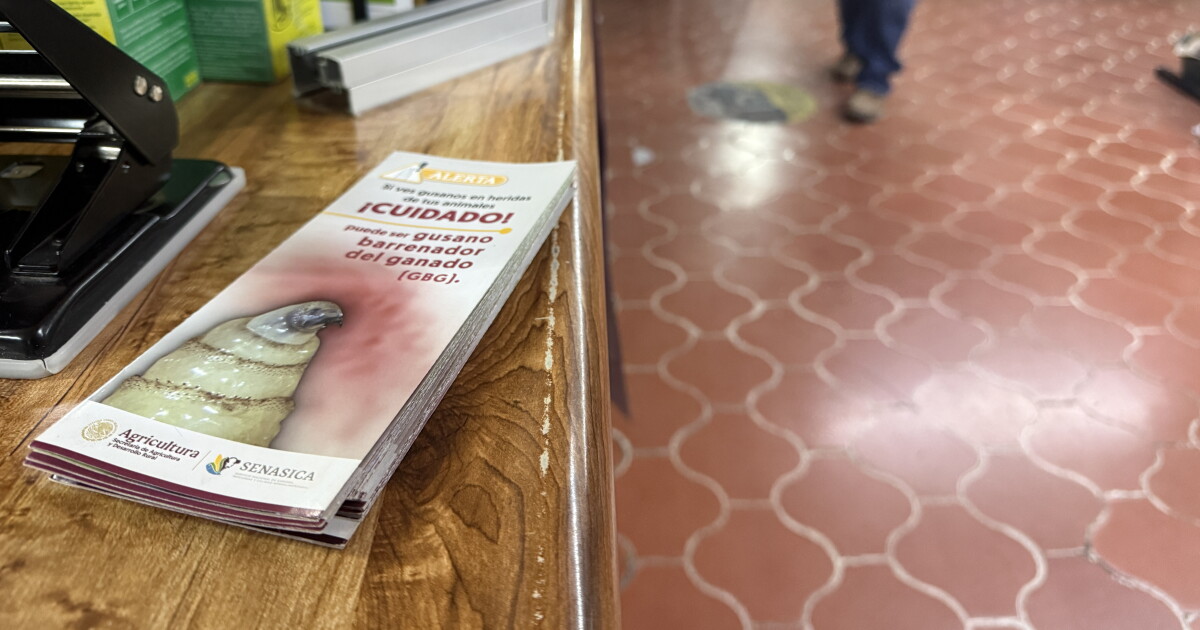
Screwworm flies lay eggs in open wounds, leading to larvae that behave aggressively, producing painful and malodorous wounds. Dr. Bemmerl noted, “These larvae are a little bit more, if you will, aggressive than others,” causing lethargy or depression in affected pets.
Pet owners are advised to monitor their pets closely for any wounds, as even minor cuts can quickly become severe. The larvae’s life cycle is short, and the infection can progress rapidly within just 12 hours.
The Arizona Humane Society continues to treat animals with preventative medications that, while primarily intended for fleas and ticks, also help inhibit larvae development. Dr. Bemmerl explained, “It’s not necessarily affecting the fly itself, but it kind of blocks that life cycle.”
California’s travel restriction requires proof of screwworm-free pets for Arizonans entering the state. Similar measures are in place in Texas and Mexico. Dr. Bemmerl advised pet owners to consult their veterinarians to ensure their pets meet travel requirements.
Although the screwworm primarily affects rural areas, vigilance is recommended for all pet owners. The fly’s ability to spread the disease over a wide area makes containment challenging. Dr. Bemmerl emphasized the need for multiple strategies to address the threat, including releasing sterile flies as a long-term eradication measure.
For the latest updates on the screwworm situation, residents are encouraged to remain informed and proactive in protecting their pets.
For more information, contact the Arizona Humane Society or visit their website here.