The EPA’s Potential Shift on Chemical Recycling Regulations Sparks Debate
As the world grapples with the escalating problem of plastic waste, the Environmental Protection Agency (EPA) is considering a regulatory shift that could redefine how chemical recycling facilities are managed. This potential change is causing alarm among environmentalists, while the plastics industry views it as a necessary clarification.
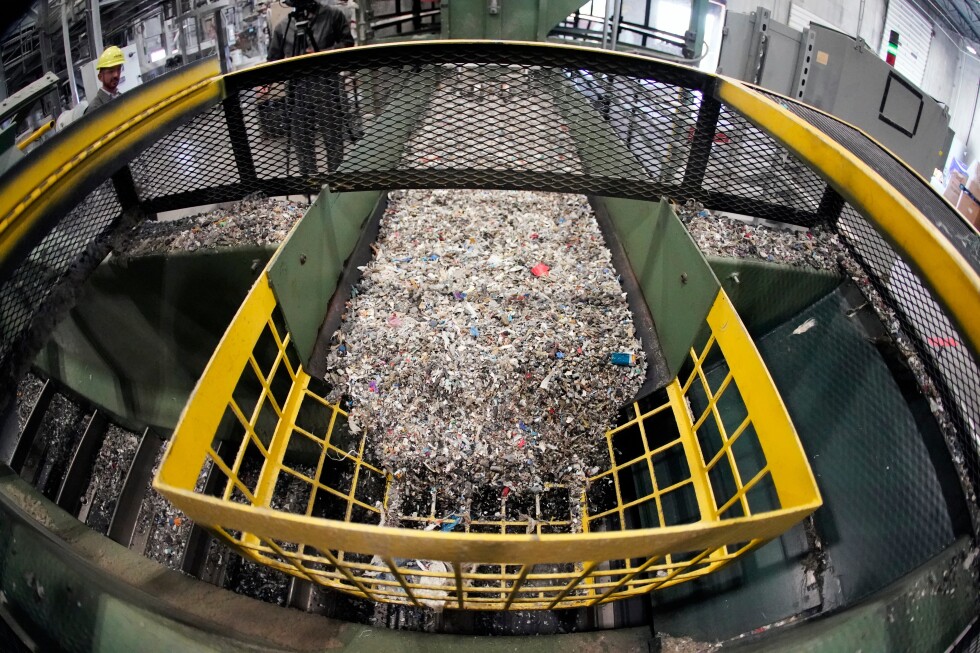
Currently, facilities that engage in chemical recycling, particularly using pyrolysis, are regulated under the same stringent air pollution standards as incinerators. Environmental advocates warn that easing these regulations could result in increased pollution without adequate federal oversight. Conversely, the plastics industry argues that the change would maintain emissions control while reducing regulatory confusion.
Industry and Environmental Perspectives
Ross Eisenberg, president of America’s Plastic Makers and leader of the American Chemistry Council’s (ACC) plastics advocacy, stated, “The definition of incineration is to destroy it, right? You’re literally trying to make it go away. That’s not what they’re doing here. They are trying to preserve it and recover the materials, which is recycling, which is manufacturing.” The ACC supports redefining pyrolysis as a manufacturing process rather than incineration, citing the need for regulatory clarity.
In contrast, Judith Enck, head of Beyond Plastics and former EPA regional administrator, argues that the proposed change would weaken environmental protection. “Chemical recycling companies know that if they want to operate, they need to get this essential Clean Air Act permit and they don’t like it,” she said. The potential regulatory shift, she suggests, stems from longstanding industry pressure.
Regulatory Implications and Public Concerns
The EPA’s current regulation of pyrolysis falls under section 129 of the Clean Air Act, which includes controls for pollutants from incineration units. The agency is contemplating a new rule that might classify pyrolysis as a manufacturing activity under section 111, a move that has drawn criticism for bypassing standard rulemaking procedures.
John Walke of the Natural Resources Defense Council cautioned that this change could lead to deregulation, giving facilities the ability to emit pollutants without previous controls. He highlighted that the transition to a new regulatory framework could take years, potentially leaving communities vulnerable to increased pollution.
State and Federal Legislative Actions
Despite the ongoing debate, the ACC claims that chemical recycling, also known as advanced recycling, can significantly boost recycling rates, with over 90% of plastics currently not recycled. There are initiatives in 25 states to recognize chemical recycling as a manufacturing process, with legislation pending at the federal level.
There are currently six pyrolysis plants in operation across several states, with additional projects in development. However, Eisenberg noted that the number of new proposals has declined, partly due to the complex permitting requirements.
As the EPA continues to evaluate public comments on this proposal, the conversation around chemical recycling regulations remains a contentious issue. The outcome could have significant implications for both the environment and the plastics industry.